Corrugated Board
A dependable fluted board built for shipping pressure, stacking strength, and day-to-day courier handling. A practical choice when protection matters as much as presentation.
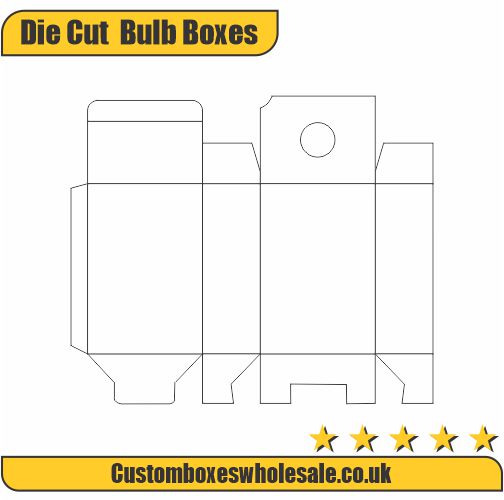
Energy-saving products vary from compact bulbs to larger electrical accessories, so the carton needs to follow the product rather than a standard shelf size. Custom energy saver boxes can be built around the item, fittings and any internal support needed.
Share your box details and we will send your price.
Review the main overview, technical information, and common buying questions in one clean product area.
An energy-saving bulb isn’t a simple rectangular object. The widest part may be the bulb itself, while the fitting creates a narrower section underneath. Other energy-saving products can have completely different proportions. That’s why we’d measure the finished item at its widest and tallest points before developing the energy saver box.
Too much internal room lets the product move. Making the carton unnecessarily tight can put pressure on fragile areas during packing. Where the shape needs additional support, fitted packaging inserts can hold the product from stronger points rather than letting it rest against the carton walls.
A carton can fit perfectly and still provide insufficient support. Bulbs and delicate electrical products need to be considered according to how they’re handled after packing. A product going directly onto a retail shelf has a different journey from one moving through a courier network.
An insert can reduce movement inside energy saver packaging boxes, while the outer board needs to suit the packed weight and intended distribution. Where additional transit protection is needed, corrugated packaging can be used as an outer shipping layer rather than making the retail carton unnecessarily heavy.
Customers often need to identify specifications before choosing an electrical product. That means the carton may need space for wattage, fitting type, compatibility, usage information, barcodes and other relevant details in addition to the brand. The front doesn’t have to carry everything.
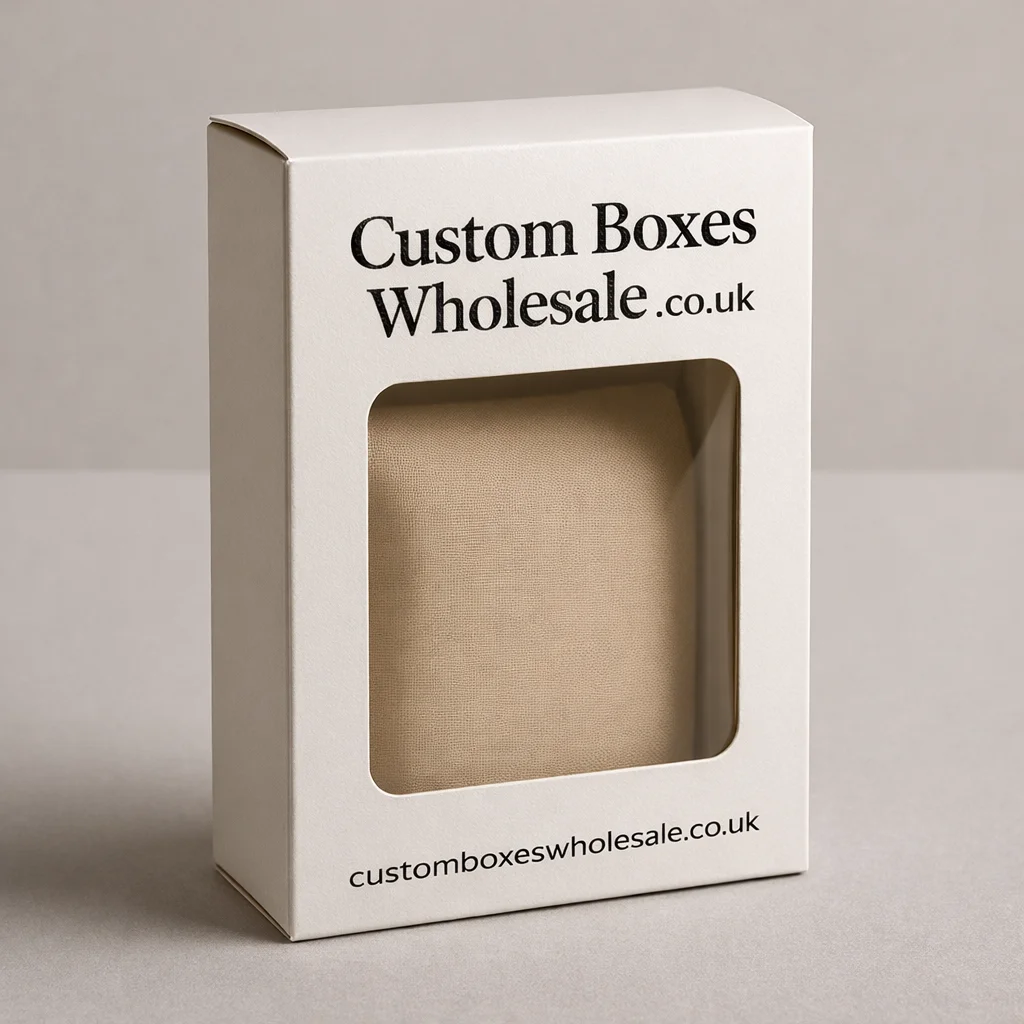
A sensible energy saver packaging layout can use the front for quick product identification and reserve the side and rear panels for supporting information. If showing the physical product is useful, window box packaging can be considered, provided the opening doesn’t compromise the support the product needs.
An insert shouldn’t simply create a hole matching the widest measurement. With irregular products, it’s often better to support particular areas and leave clearance around more delicate sections.
This matters when several components share one box. A bulb, fitting or accessory can each be given a defined position rather than being allowed to knock together. The same approach can also help customised energy saver boxes remain compact because the internal arrangement is planned before the outer dimensions are finalised.
Electrical-product cartons can become crowded quickly. A logo, product image, model information and technical details all compete for space. Trying to make every element equally prominent usually makes the pack harder to scan.
With custom printed energy saver boxes, the artwork can be planned panel by panel. Important product identification stays easy to find, while secondary information moves to the sides or back. For hanging products, retail hanging packaging may also be relevant for smaller accessories that don’t require a fully enclosed carton.
Calling a carton sustainable based only on the colour of the board doesn’t say much about how it was actually made. For sustainable energy saver packaging, the useful questions concern material choice, how much board is required, whether an oversized carton can be avoided and what coatings or additional components are being added.
A correctly sized paperboard carton can also reduce unnecessary internal material compared with using one oversized format across several different products. If recyclability is a priority, the complete construction—including windows, inserts, laminations and finishes—should be reviewed rather than considering the outer board alone.
Once a product goes into regular production, packing staff need each carton to behave the same way. A slightly tight batch slows assembly. An oversized one may require extra internal material. Before producing energy saver boxes wholesale, it’s useful to check a physical sample with the actual product and any insert in place.
Once the dimensions, board and structure are approved, the same dieline can be retained for repeat runs. Artwork can then change between models while maintaining a consistent family of branded energy saver boxes.

| Dimension (L + W + H) | All Custom Sizes & Shapes |
|---|---|
| Quantities | No Minimum Order Required |
| Paper Stock | 210gsm, 250gsm, 280gsm, 300gsm, 350gsm, 420gsm, 460gsm, 500gsm, Bleach Card (SBS), Eco-Friendly Kraft, E-flute Corrugated, Bux Board, etc. |
| Printing | No Printing, CMYK, CMYK + 1 PMS color, CMYK + 2 PMS colors |
| Finishing | Gloss Lamination, Matte Lamination, Gloss AQ, Gloss UV, Matte UV, Spot UV, Embossing, Foiling |
| Included Options | Die Cutting, Gluing, Scoring, Perforation |
| Additional Options | Eco-Friendly, Recycled Boxes, Biodegradable |
| Proof | Flat View, 3D Mock-up, Physical Sampling (On request) |
| Turnaround | 7 – 10 Business Days, RUSH |
| Shipping | FLAT |
How should an energy-saving product be measured for its box?
Measure the finished product at its widest and tallest points, including fittings or projecting components. Any insert should also be considered before the final internal box dimensions are set.
Do energy saver boxes need inserts?
Not every product needs one. Inserts are useful when an item is fragile, irregularly shaped or has enough internal space to move during handling.
What information can be printed on energy saver packaging?
Available panels can accommodate branding, product identification, wattage, fitting details, instructions, barcodes and other relevant information required for the particular product.
Can energy saver packaging include a display window?
Yes, where appropriate. The window should be positioned around the product and shouldn't remove board from areas needed for structural support.
What packaging is suitable when energy-saving products are shipped?
The specification depends on product fragility, packed weight and the distribution journey. A retail carton may be combined with corrugated outer packaging where additional transit protection is needed.
Can several energy saver products use the same box design?
The visual identity can remain consistent, but products with different dimensions may require separate dielines or inserts. Using one oversized carton for every model can create unnecessary internal space.
What makes energy saver packaging more sustainable?
Material selection is only one factor. Right-sizing the carton, avoiding unnecessary components and considering the recyclability of coatings, windows and inserts can all influence the complete packaging specification.
Compare stock types, print routes, ink options, finishing touches, and premium add-ons without jumping between pages.
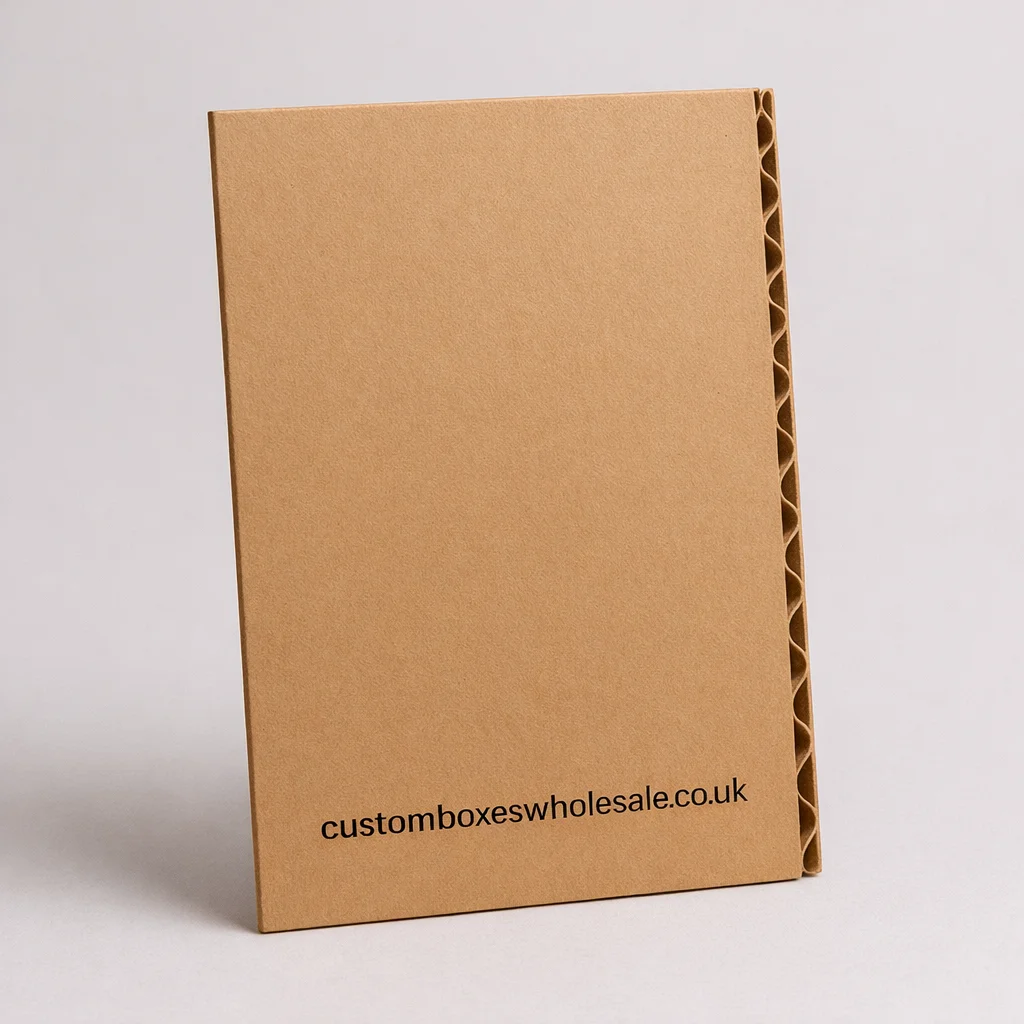
A dependable fluted board built for shipping pressure, stacking strength, and day-to-day courier handling. A practical choice when protection matters as much as presentation.
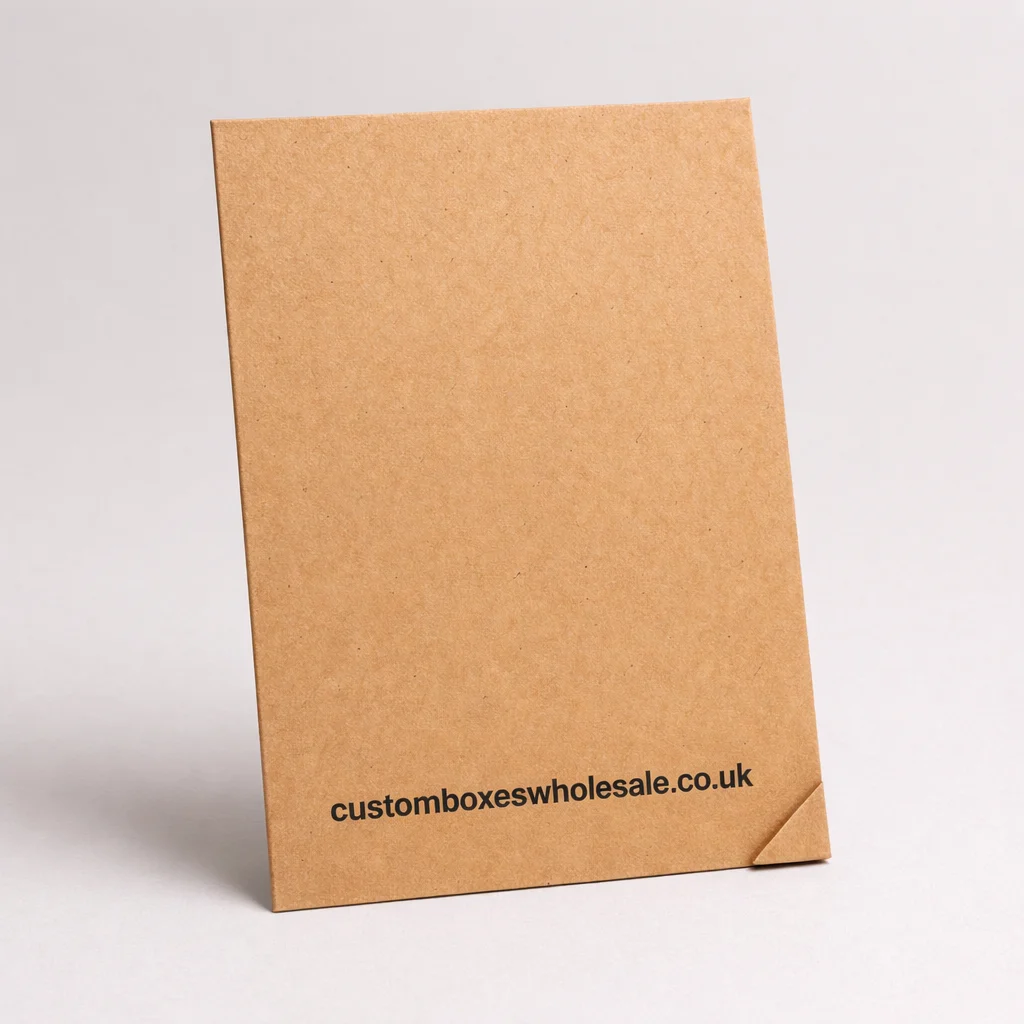
A natural-looking stock with a warm, honest finish. It suits brands that want a grounded, minimal, and more responsible packaging appearance.
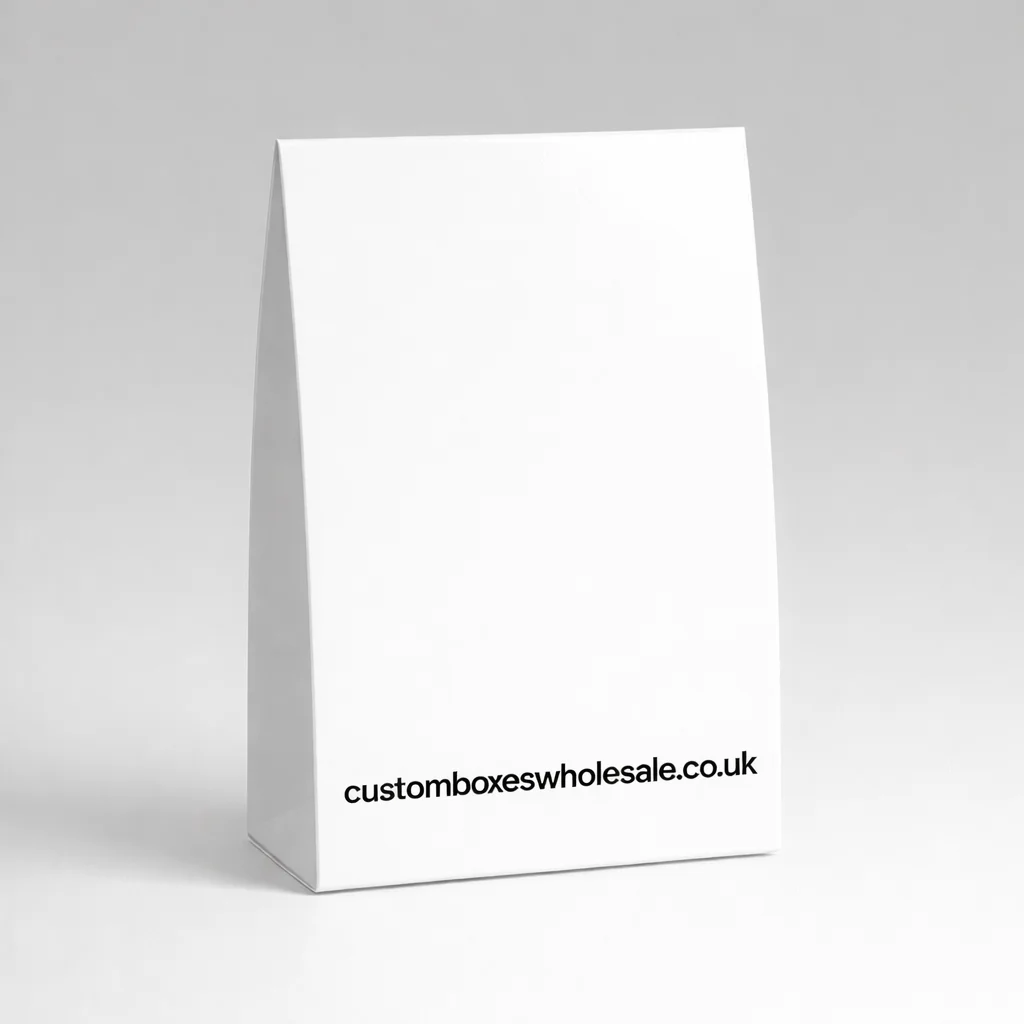
A bright white surface that delivers crisp print, cleaner colour reproduction, and a polished retail look for detailed branding work.
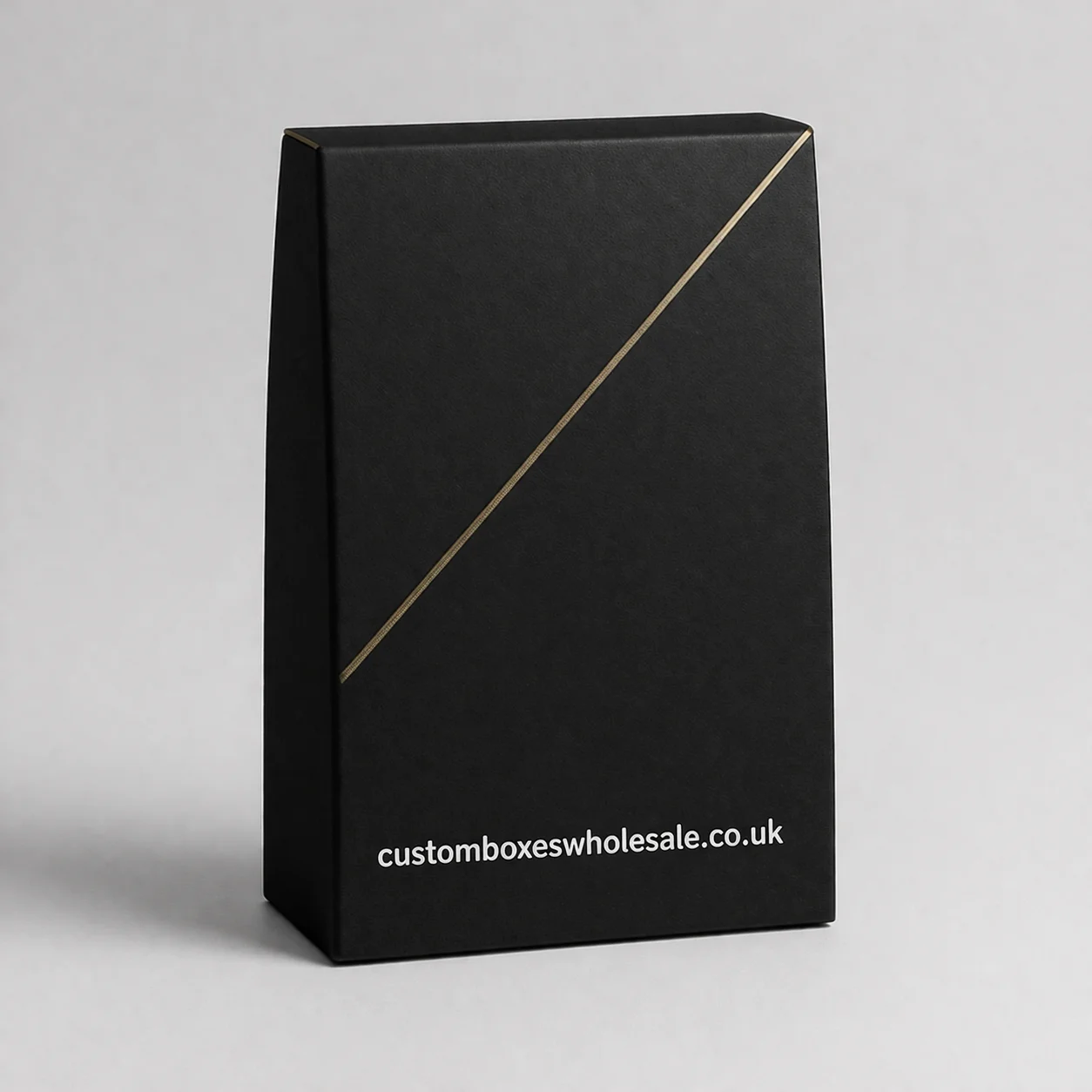
A rich dark stock made for brands that want contrast, restraint, and a more elevated shelf presence without over-designing the pack.
A smart option for smaller quantities, quicker launches, and product lines where artwork changes often. Great for agility without sacrificing presentation.
Ideal for longer production runs where colour control, fine detail, and repeat consistency need to stay locked in from batch to batch.
Used when packaging needs extra touch appeal. It adds elevated detail that catches light and gives branded areas more presence in hand.
A crisp, high-density print process for designs that need vibrancy, quick curing, and reliable durability on coated packaging surfaces.
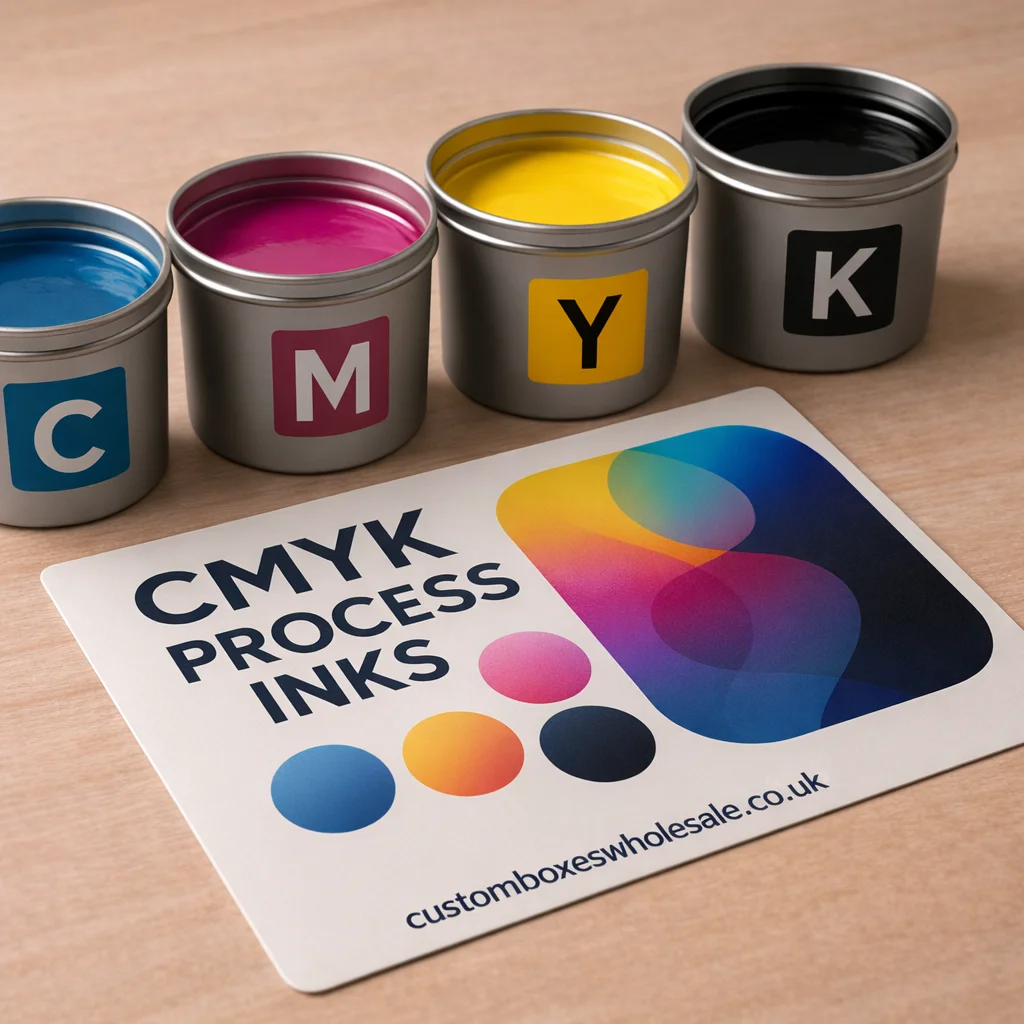
The everyday foundation for full-colour packaging artwork, especially when designs include images, gradients, or more layered creative work.
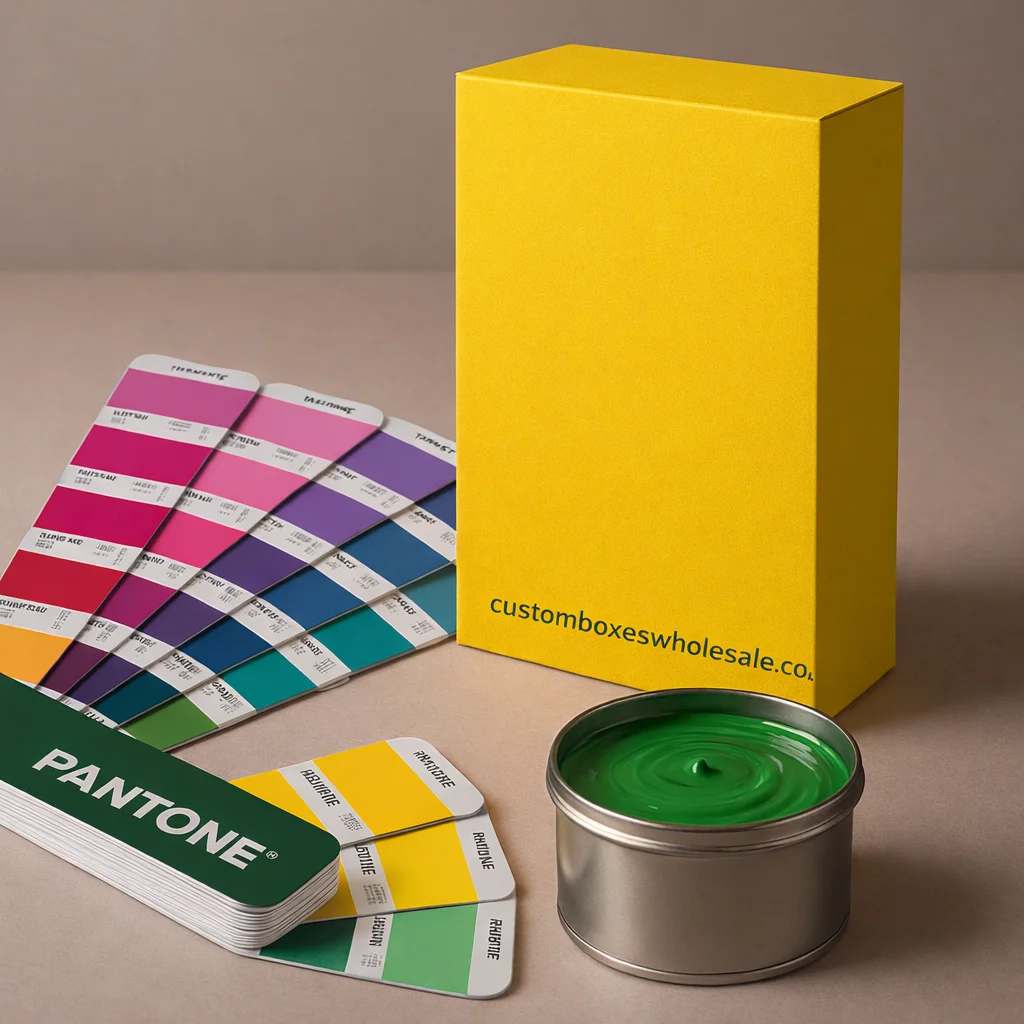
Chosen when brand identity needs tighter control. Ideal for signature colours that must stay recognisable across different runs and materials.
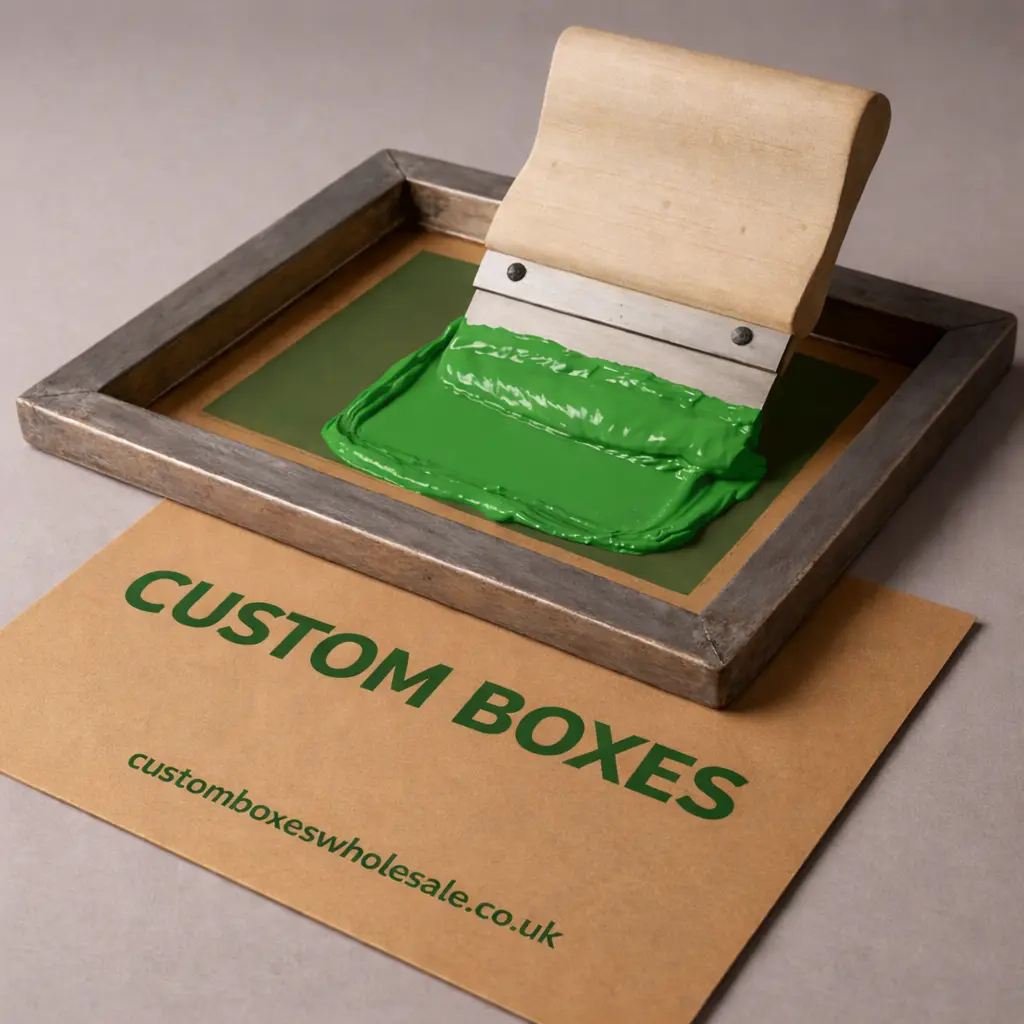
Useful for simple, confident branding where coverage and opacity matter more than highly detailed artwork or photographic effects.
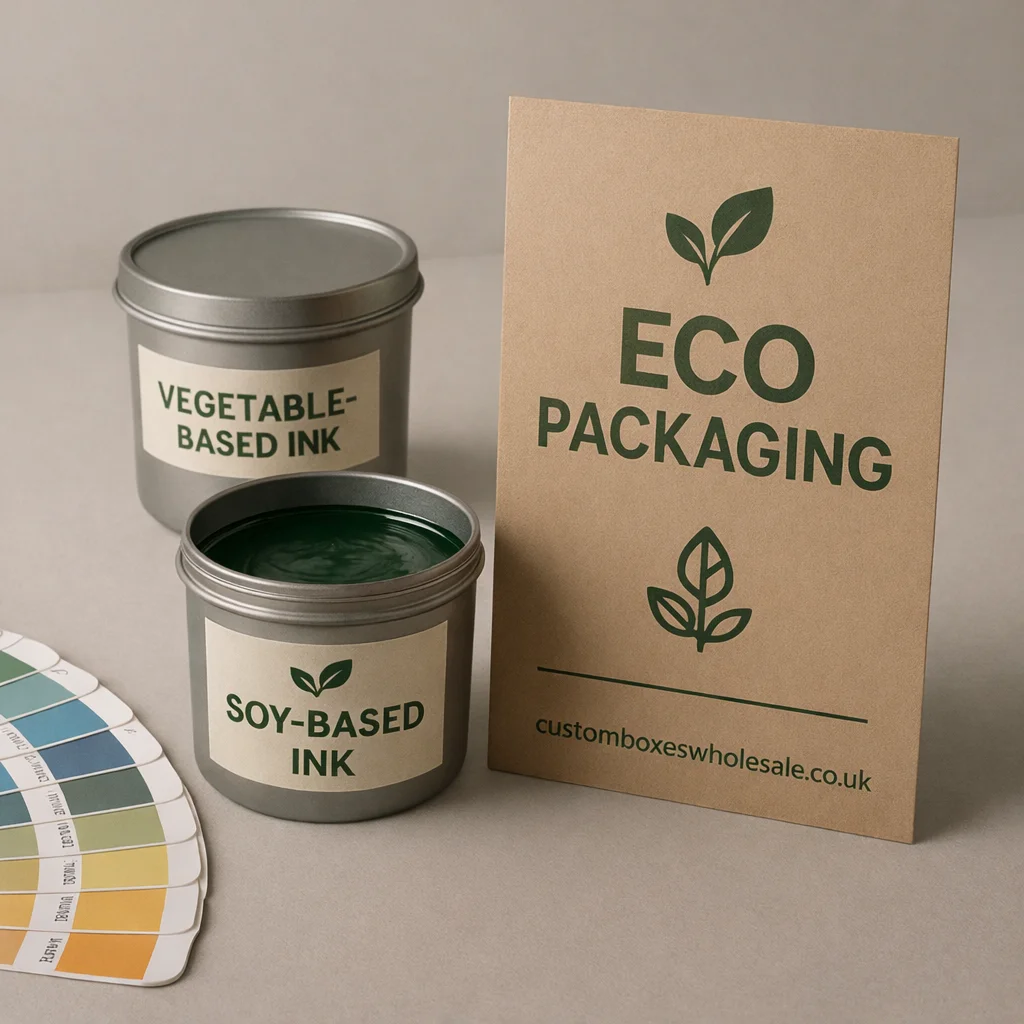
A cleaner print route often paired with kraft boards and sustainability-led packaging briefs where materials and messaging need to feel aligned.
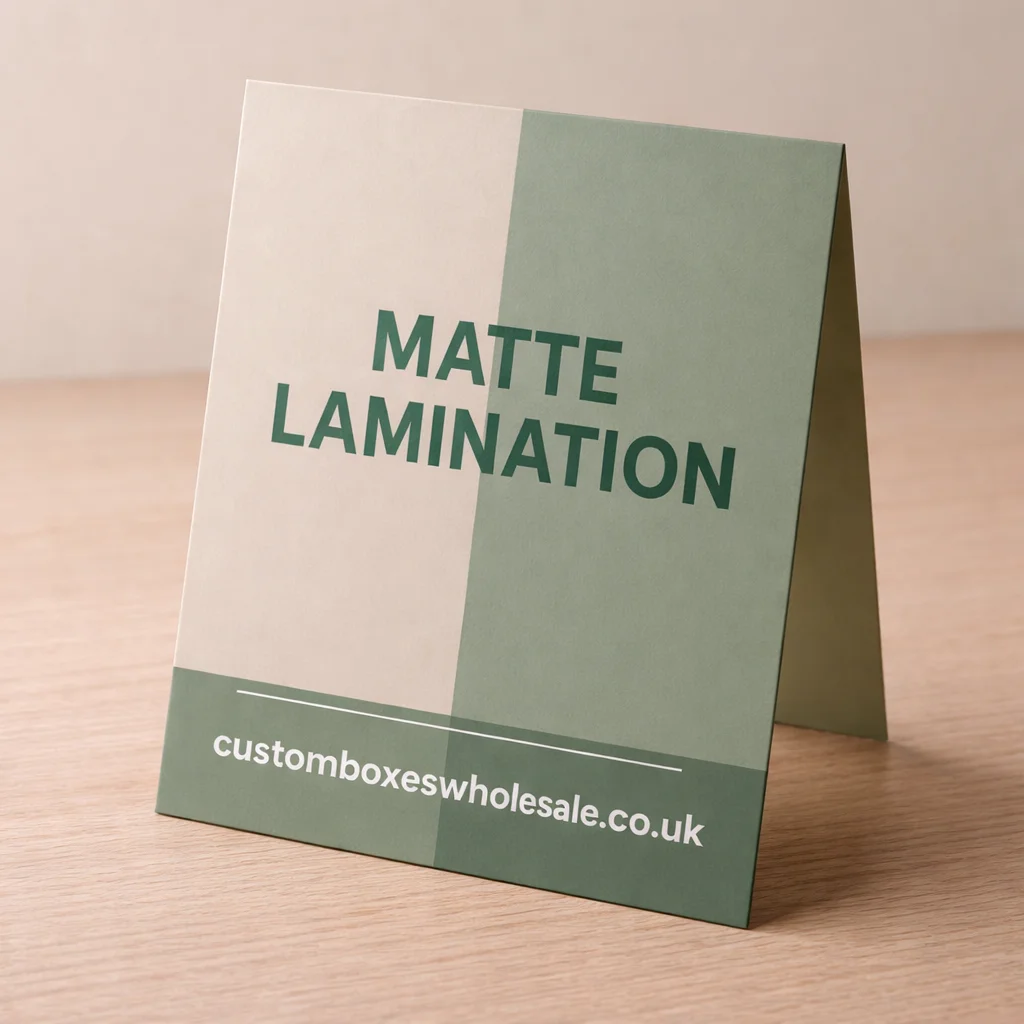
A restrained finish that softens reflection and supports a cleaner, more refined premium look while improving surface protection.
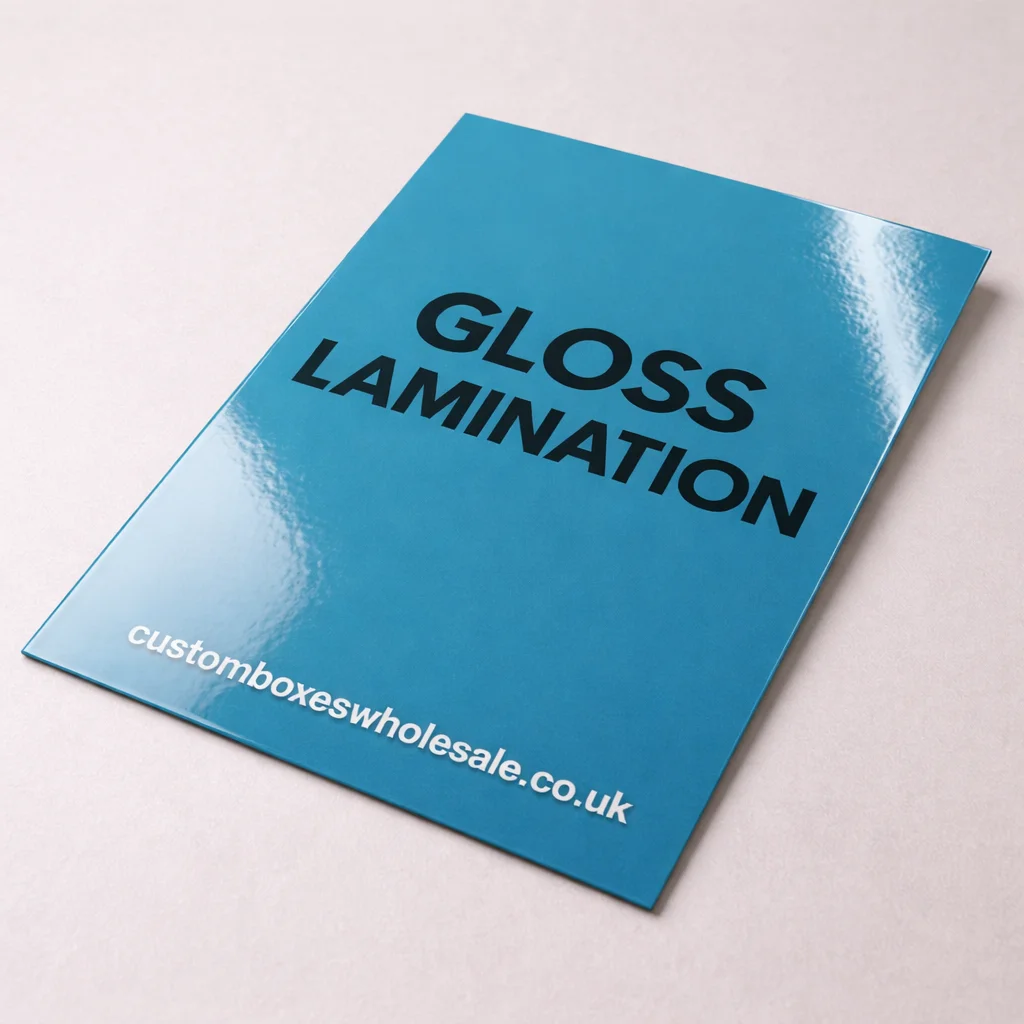
Used when colour needs more energy and the final carton should feel brighter, sharper, and more immediately visible in display settings.
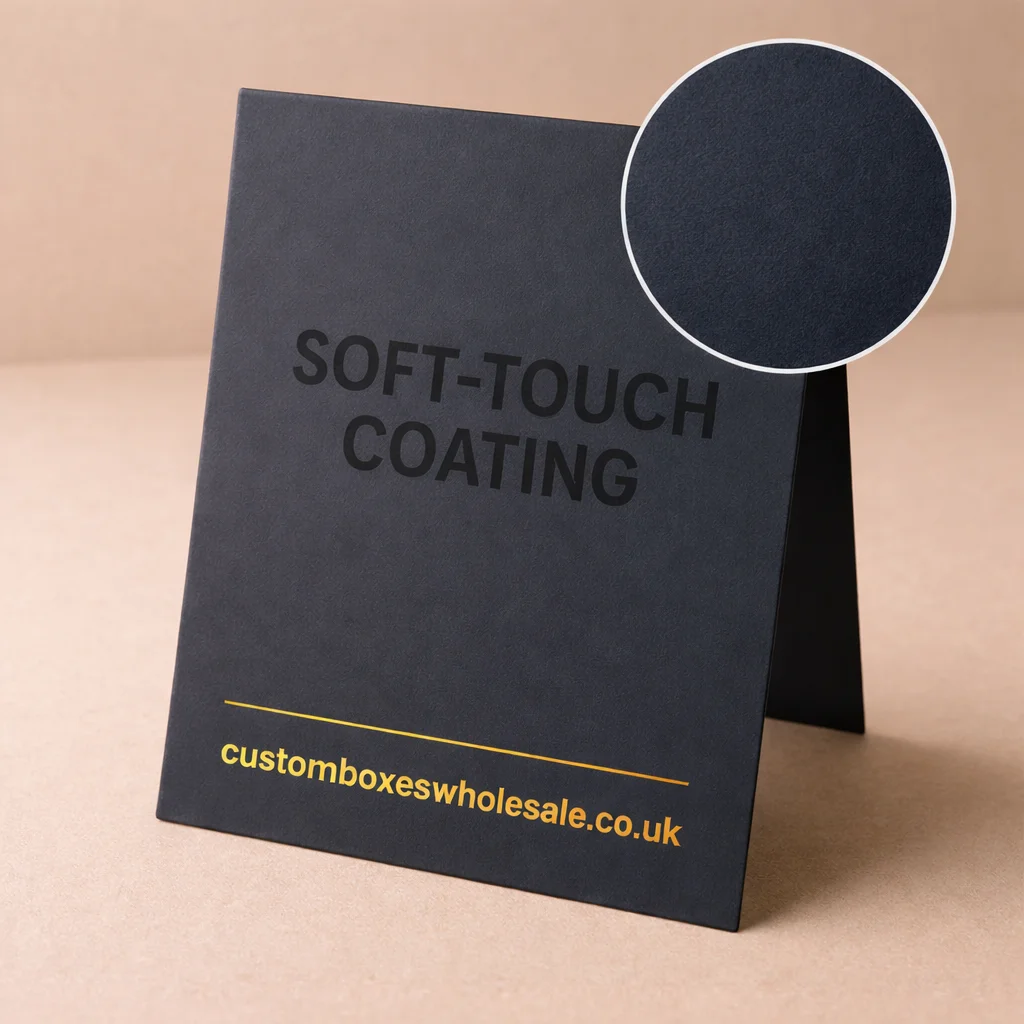
A velvety finish that changes how the pack feels in hand. Best used where tactile quality helps support a more premium brand impression.
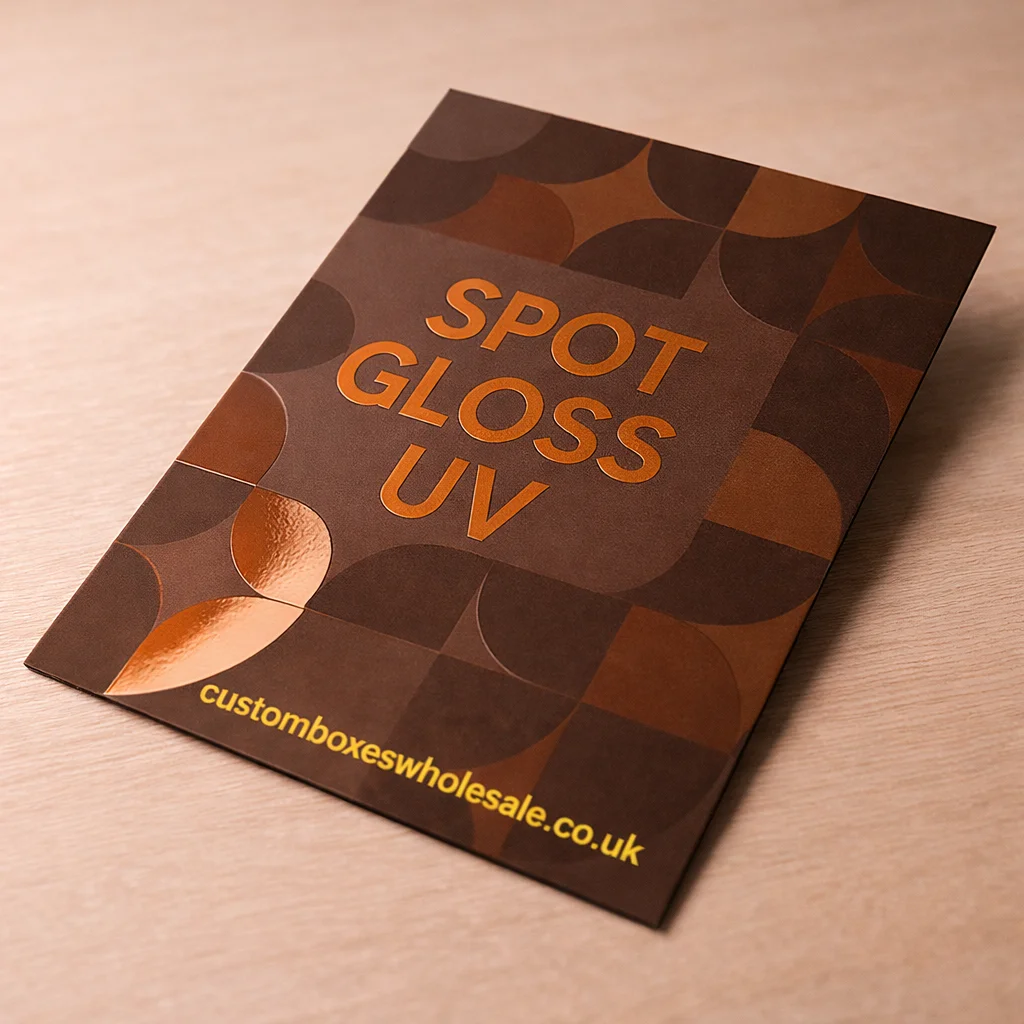
Adds focused gloss only where you want attention, usually on logos, names, patterns, or small design details that deserve a highlight.
A high-visibility enhancement used for logos, product names, borders, and presentation-led packs that need a stronger premium cue.
Builds depth into selected areas so the design does not just look better, it feels more considered in the customer’s hand.
Creates recessed detail for a quieter premium effect, especially useful on understated packs where elegance relies on restraint.
A practical add-on when the product itself helps sell the pack. Suitable for cartons that benefit from partial product reveal.
Good packaging decisions are not only about print. They affect shipping efficiency, shelf appeal, storage, handling, and repeat ordering. That is where practical support matters.
Share sizes, quantity targets, product type, and any branding direction you already have.
We match the brief with board grade, print route, finish level, and practical packaging format.
The key production details are checked before the job moves forward into the main run.
Your order moves through manufacturing, quality review, packing, and delivery scheduling.
Tell us your product, target look, and how you ship. We’ll recommend the right board, print, and finish for performance.