Cardboard
Common for cartons, sleeves and lighter retail packs. It prints cleanly, works well for branded outer packaging and suits a wide range of product categories where moderate protection is enough.
We produce custom packaging boxes for industries where presentation, product fit, transit strength and print consistency all matter at the same time. Some businesses need shelf-ready cartons that hold colour well across repeat runs. Others need mailing boxes that survive courier handling without turning returns into a weekly problem. Our work is built around real use: shipping, storage, retail display and brand presentation, with packaging solutions for industries that need structure as much as they need appearance.
Not every product behaves the same once it is boxed. A skincare carton, a bakery box and an eCommerce mailer all fail in different ways. That is why industry-specific packaging UK buyers order tends to start with how the item moves, stacks, opens and travels.
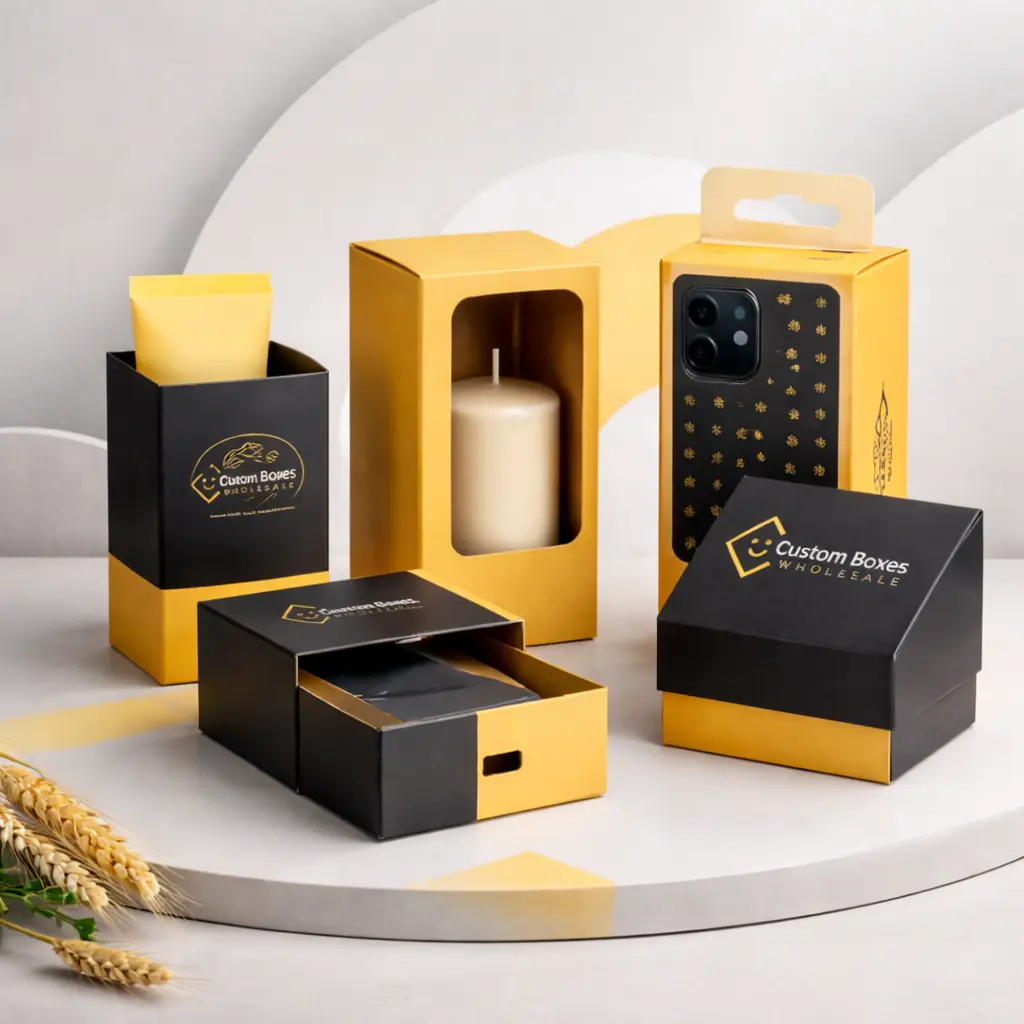
Used for garments, accessories and branded retail presentation where structure and clean folding matter.
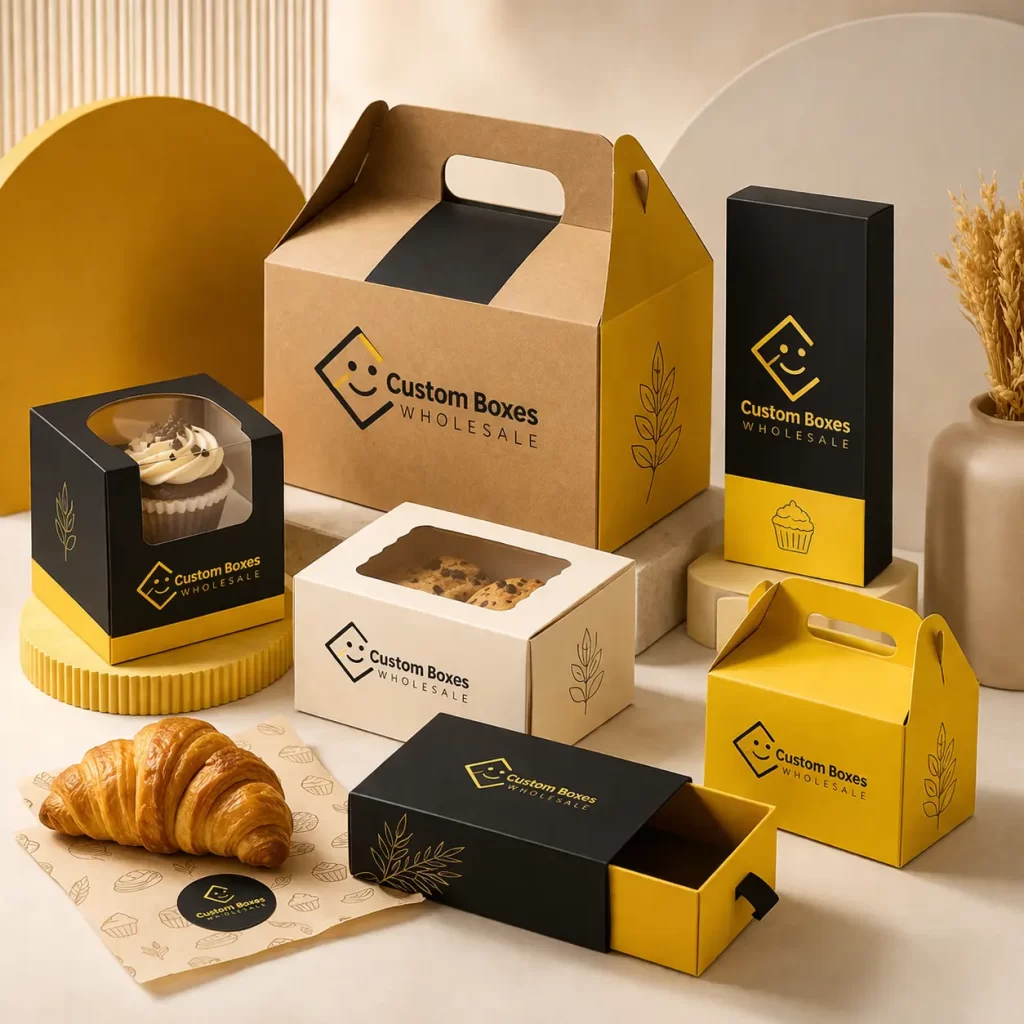
Designed for freshness, grease resistance and safe transport of soft food products.
Made to prevent movement and absorb shock during storage and delivery.
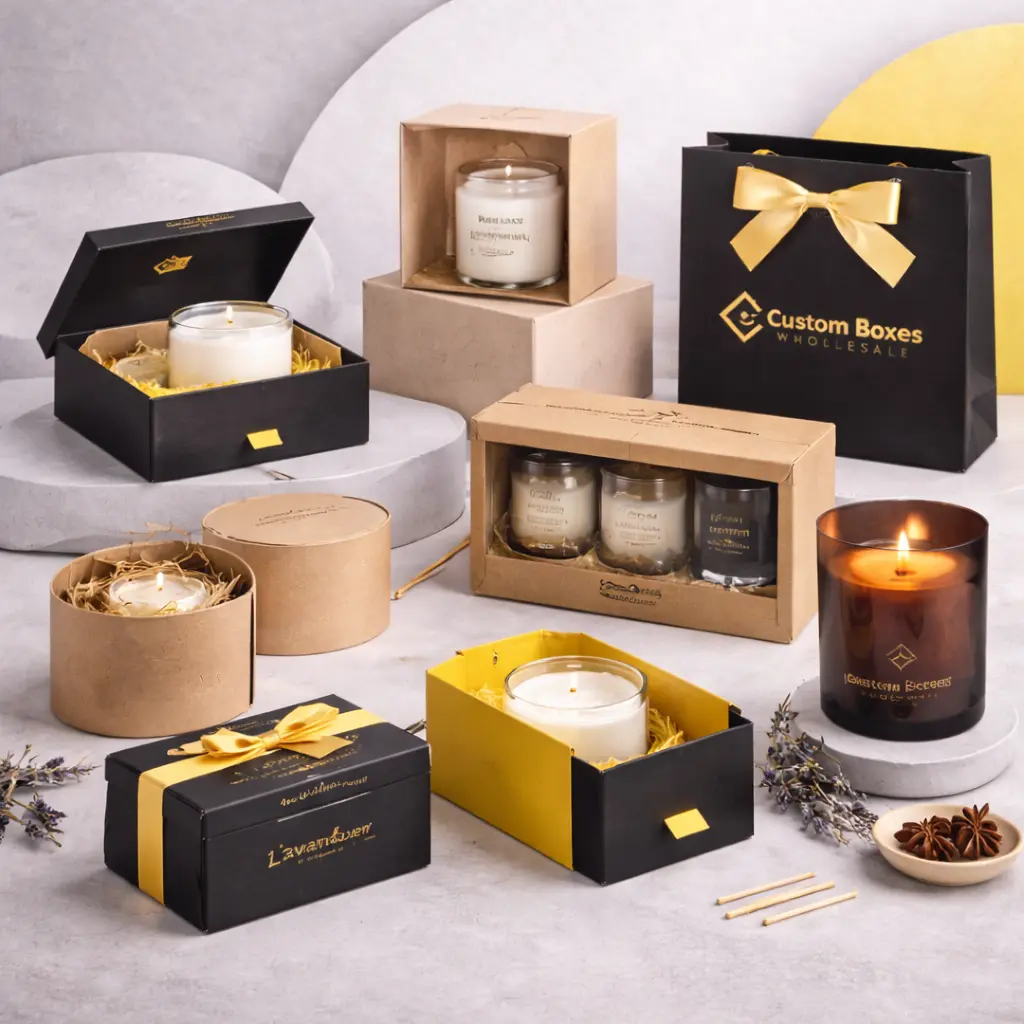
Built for heavier glass containers where internal stability matters.

Flexible option used across multiple industries for retail and shipping.
Requires careful structure and print clarity for regulated product lines.
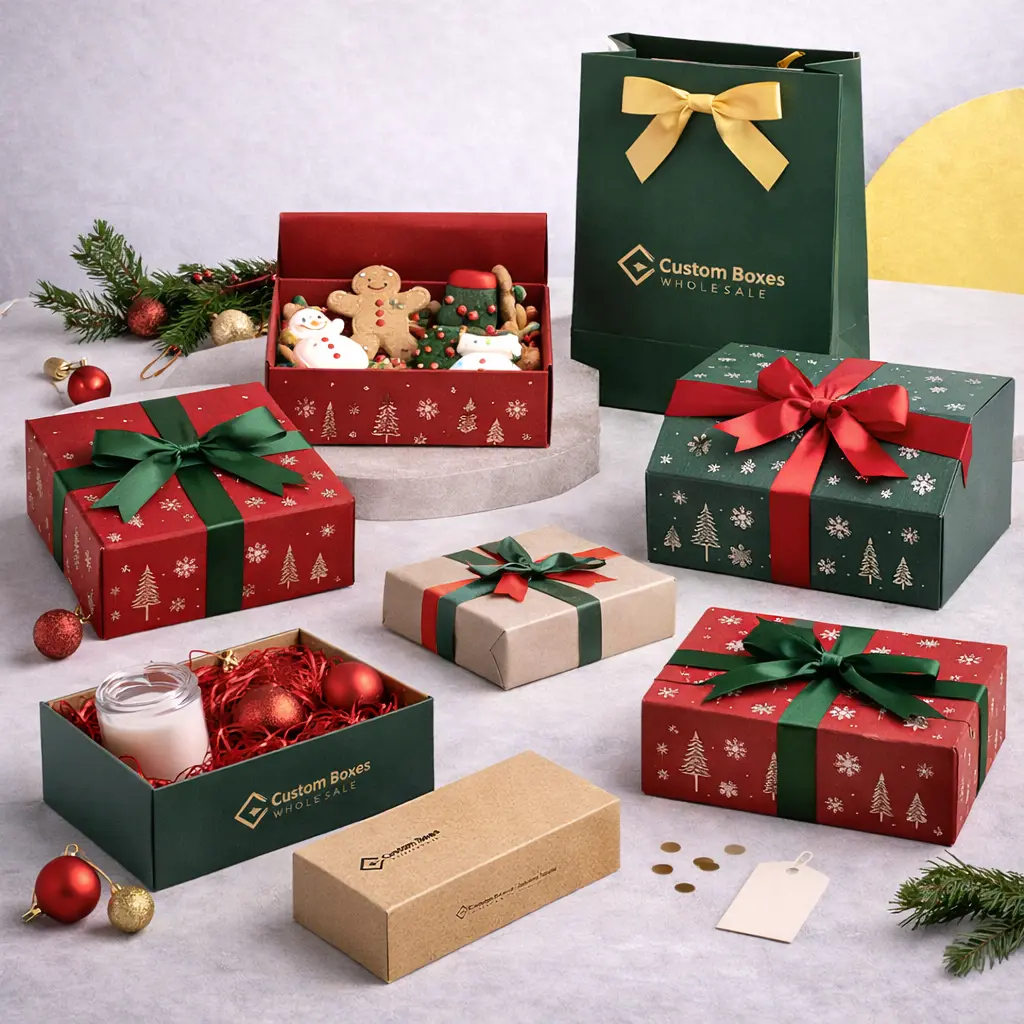
Seasonal packaging focused on presentation and gifting experience.

Retail-driven packaging where print finish and shelf appeal are critical.
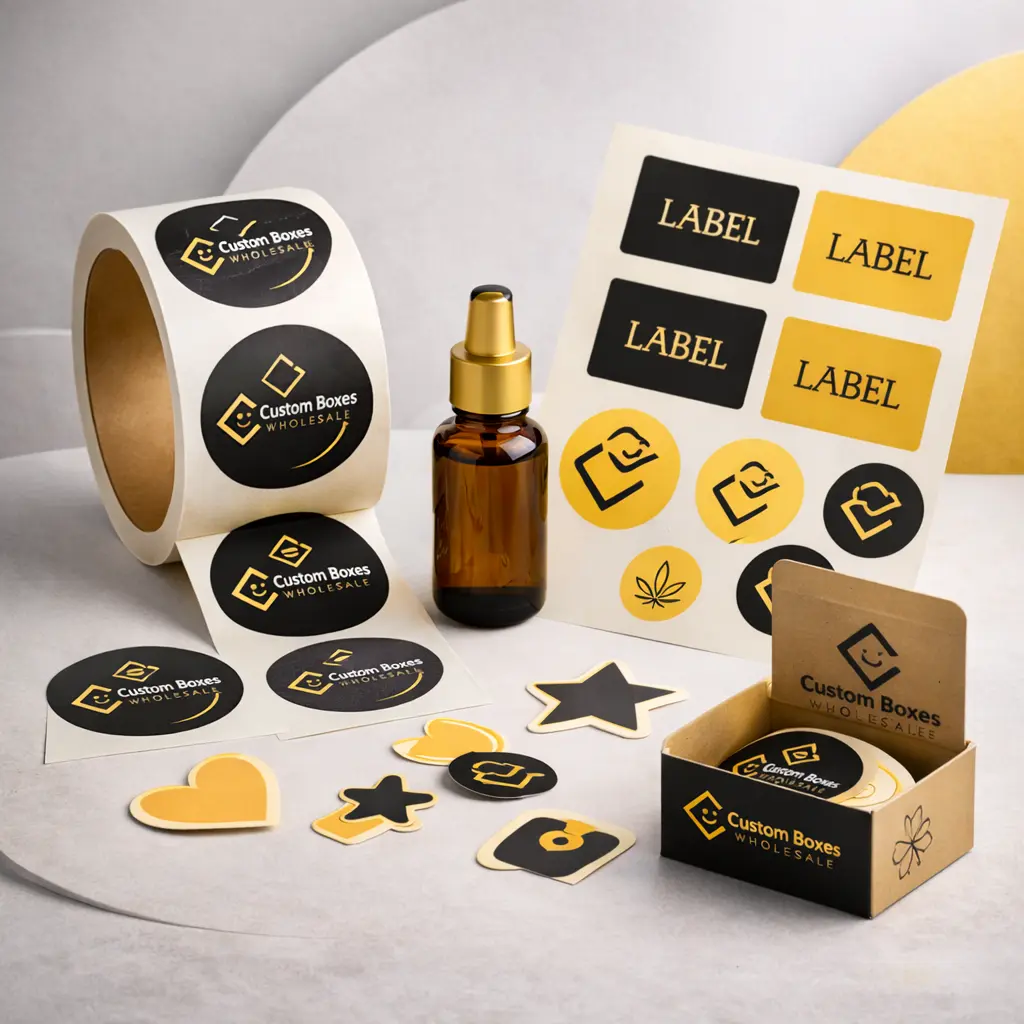
Used for branding, sealing and product identification across packaging.
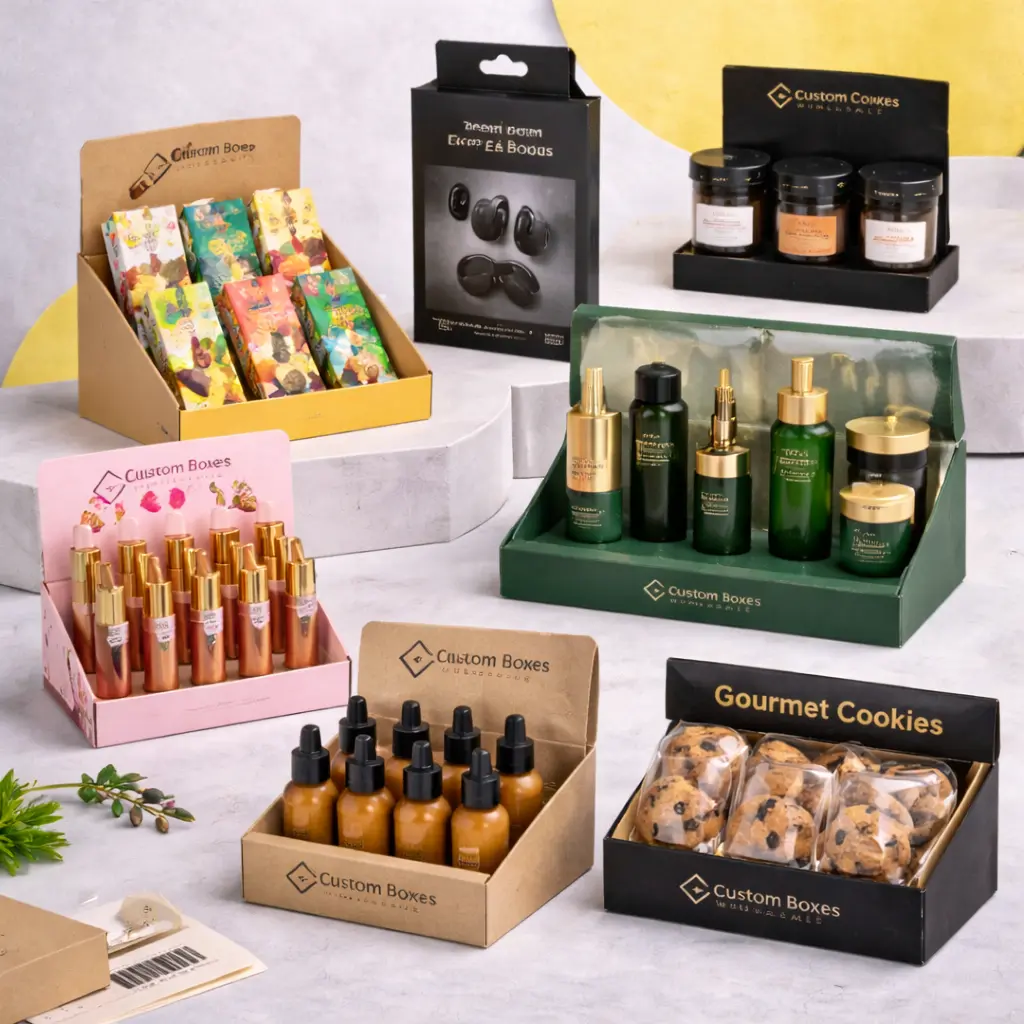
Designed for point-of-sale visibility and structured product arrangement.
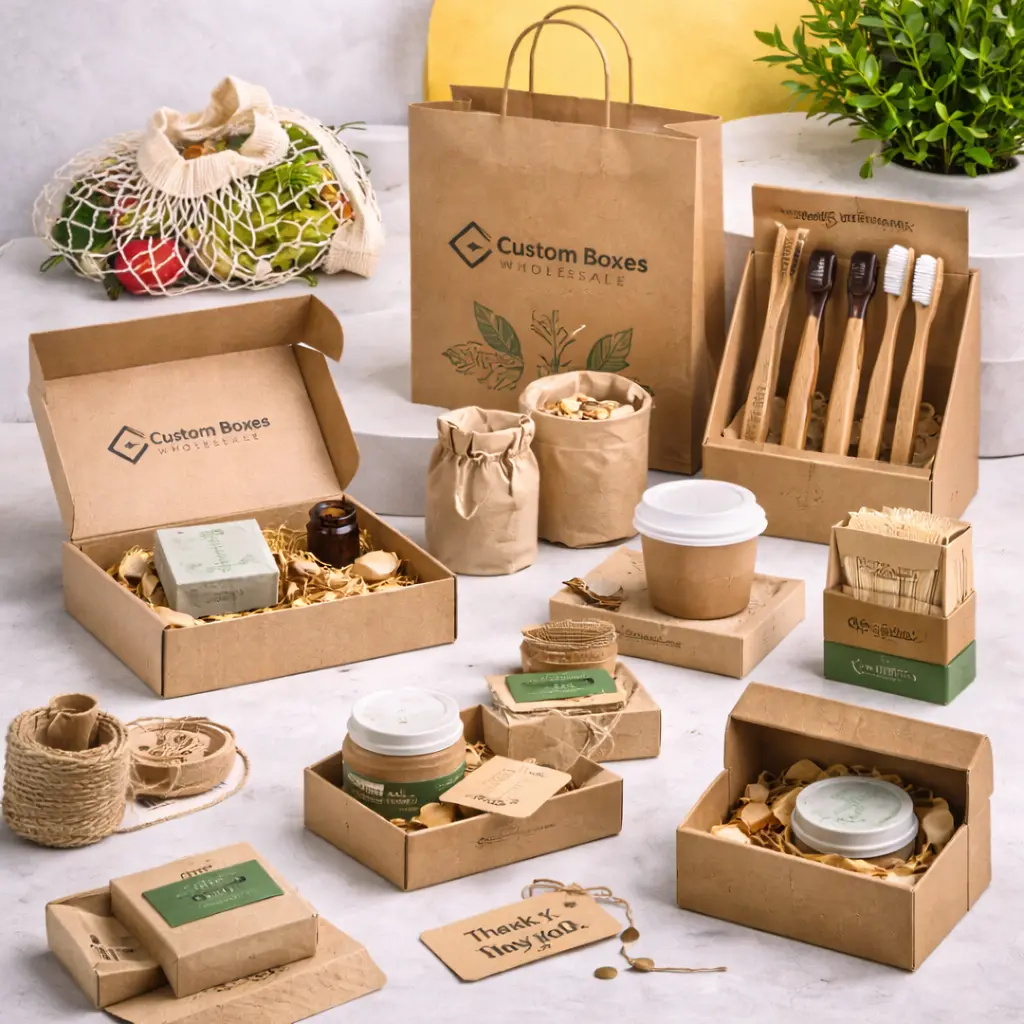
Materials selected for recyclability and reduced environmental impact.
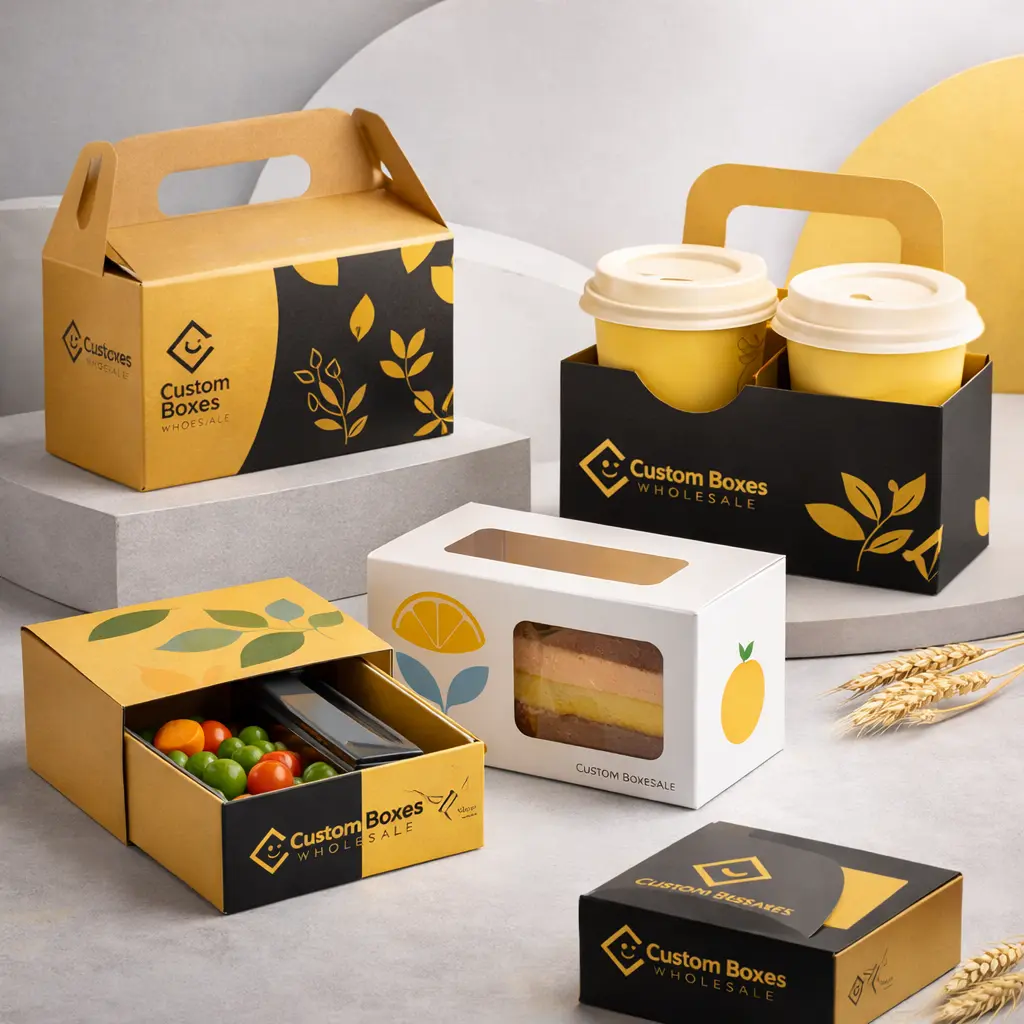
Built for hygiene, handling and short-distance delivery performance.
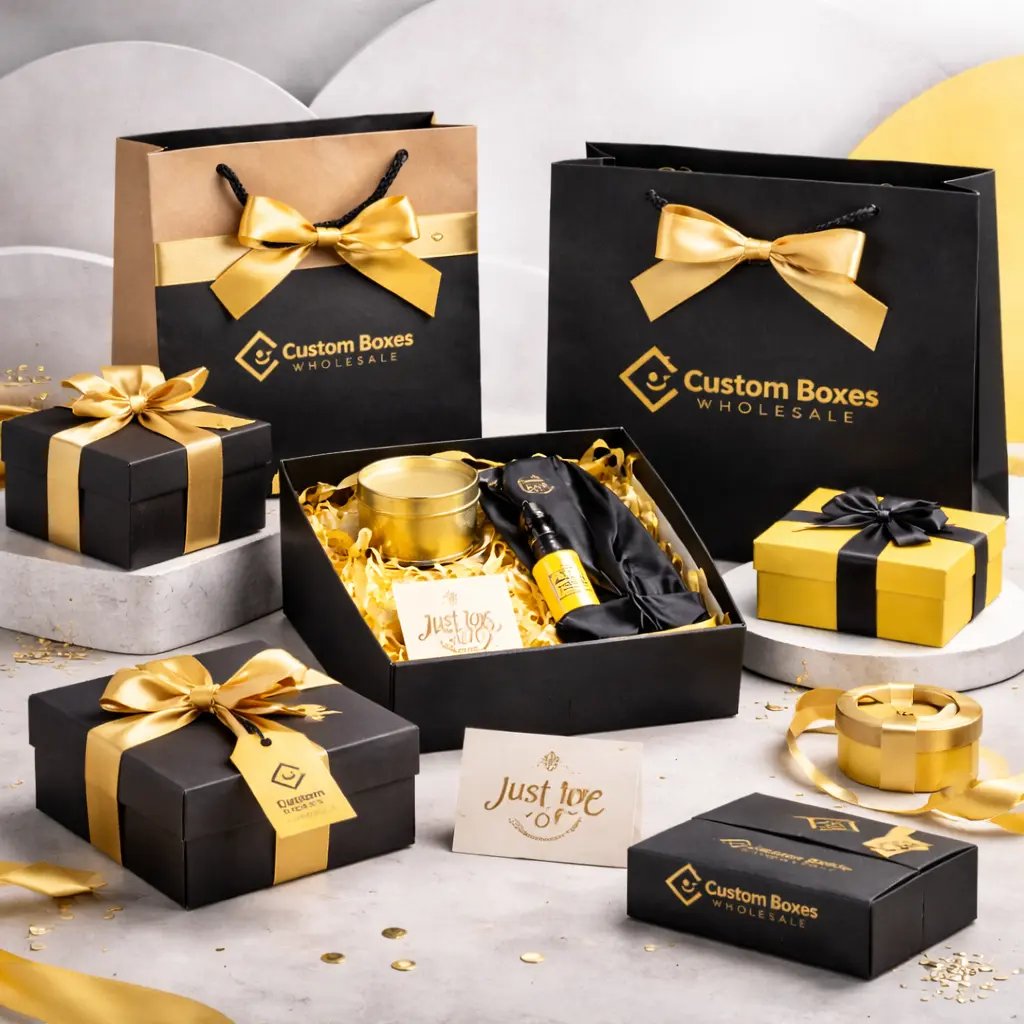
Focuses on presentation, unboxing experience and perceived value.
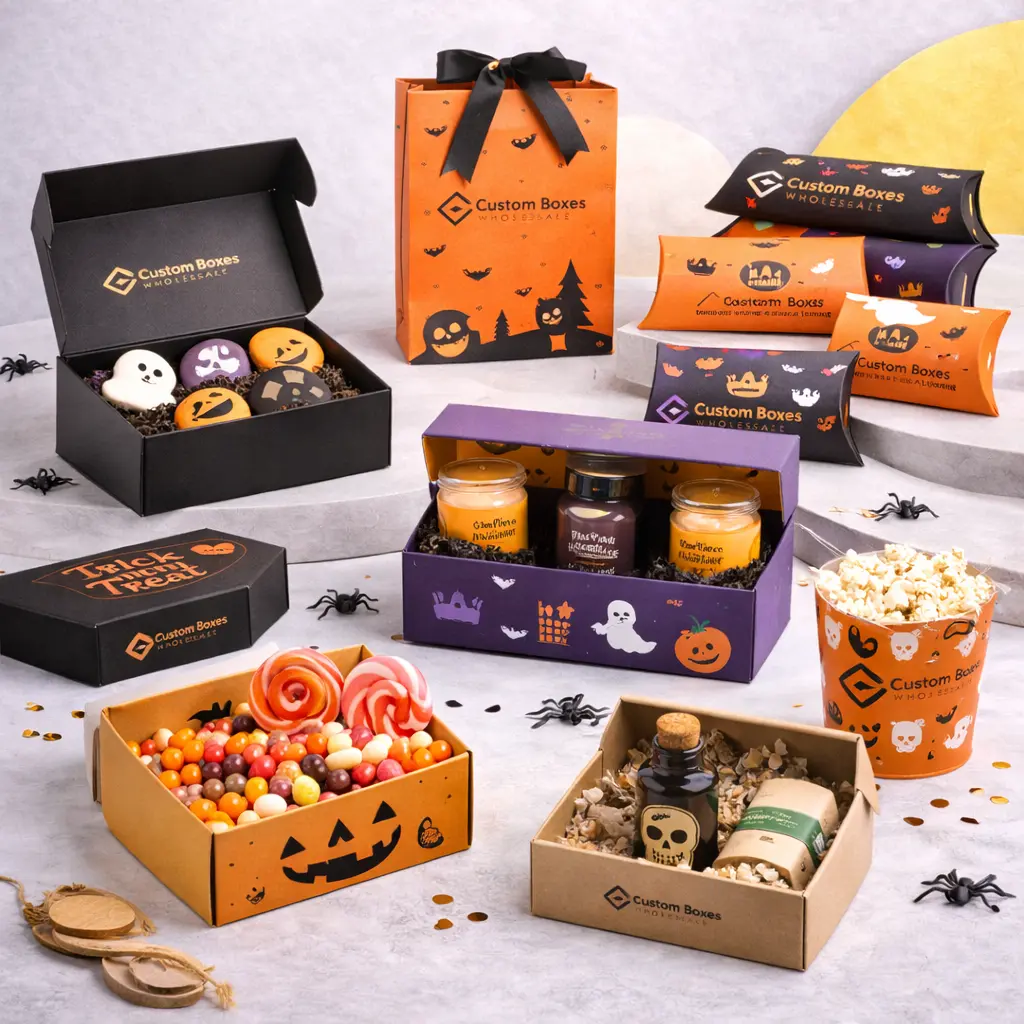
Seasonal designs with strong visual themes and retail appeal.

Used where barrier protection and reflective finish are needed.
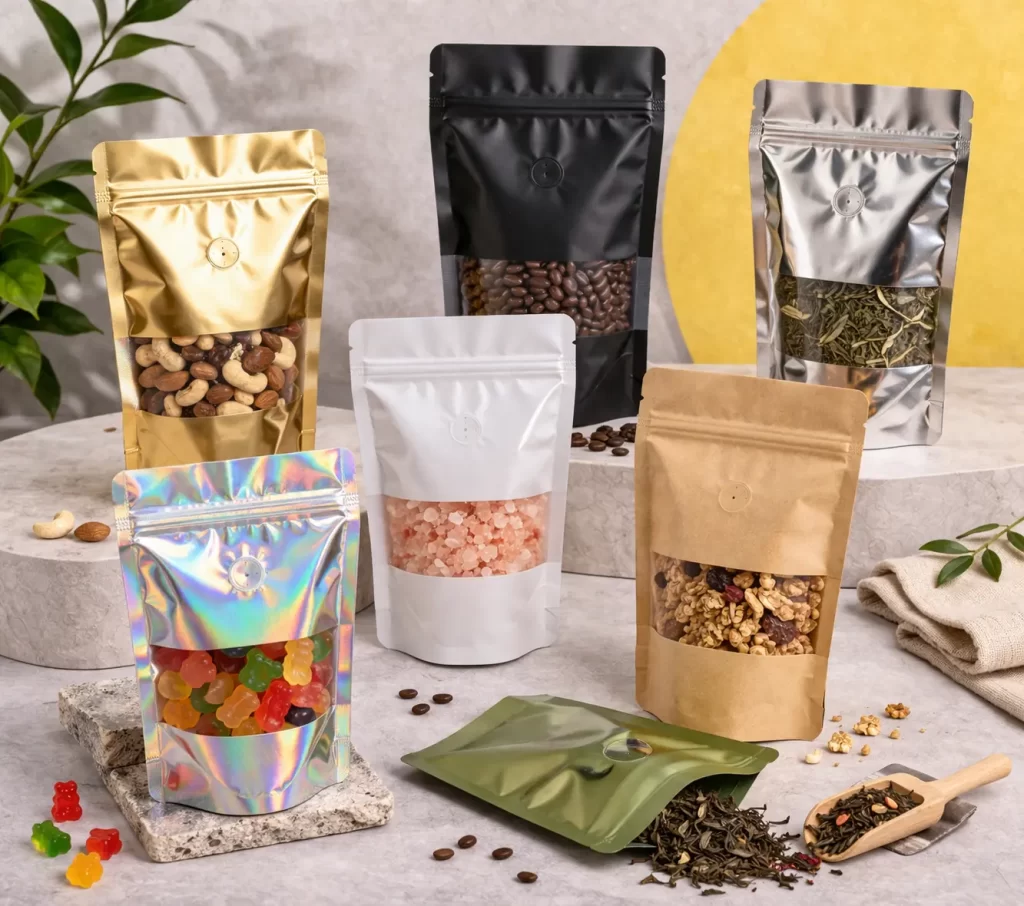
Flexible packaging for products requiring airtight sealing and storage.
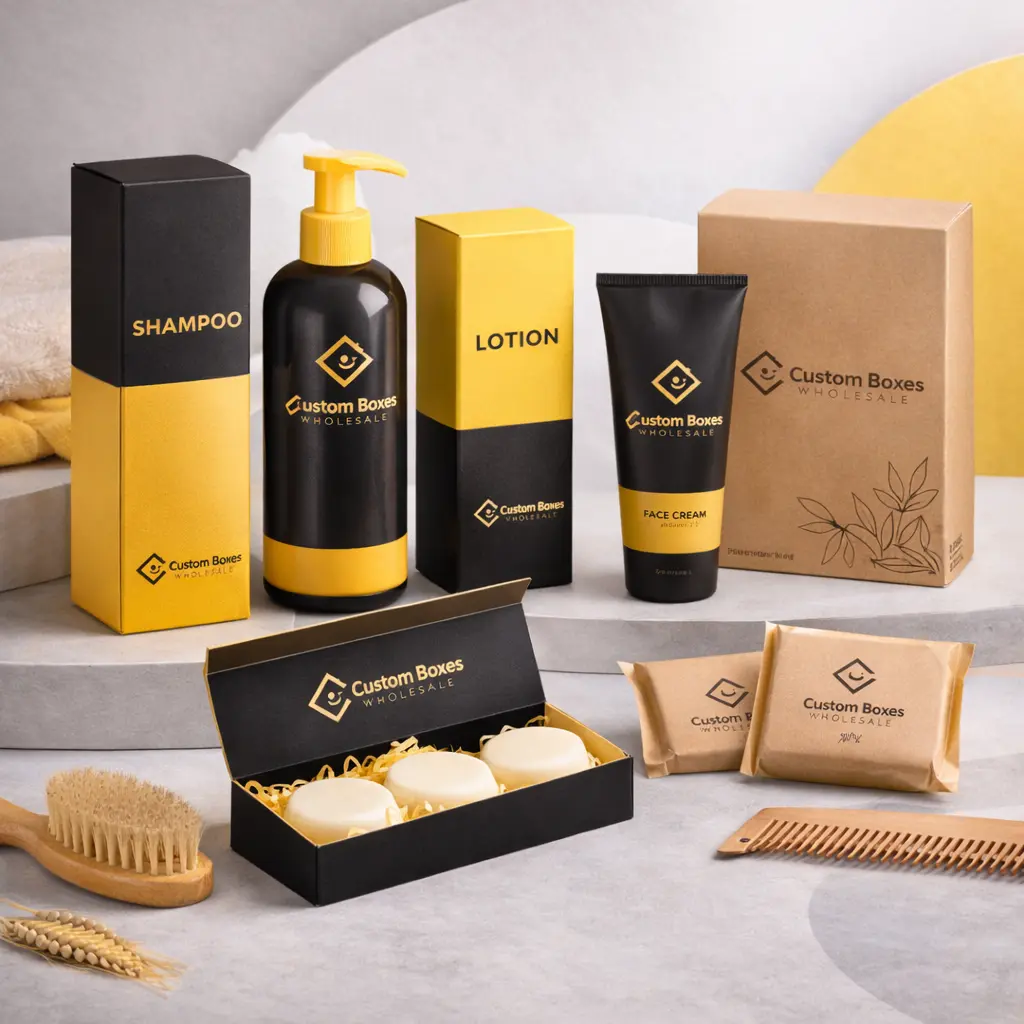
Used for daily-use products requiring consistency and protection.
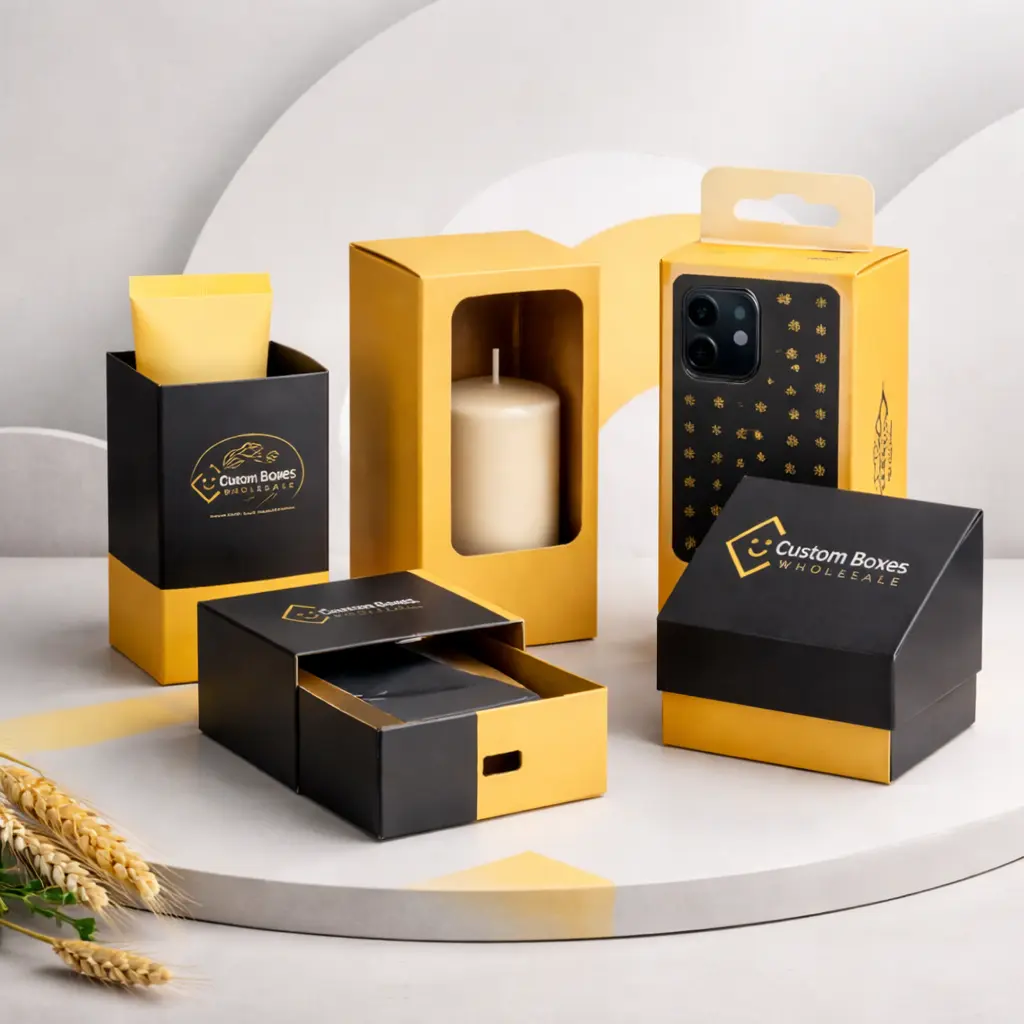
Built for shelf display, branding and customer-facing presentation.
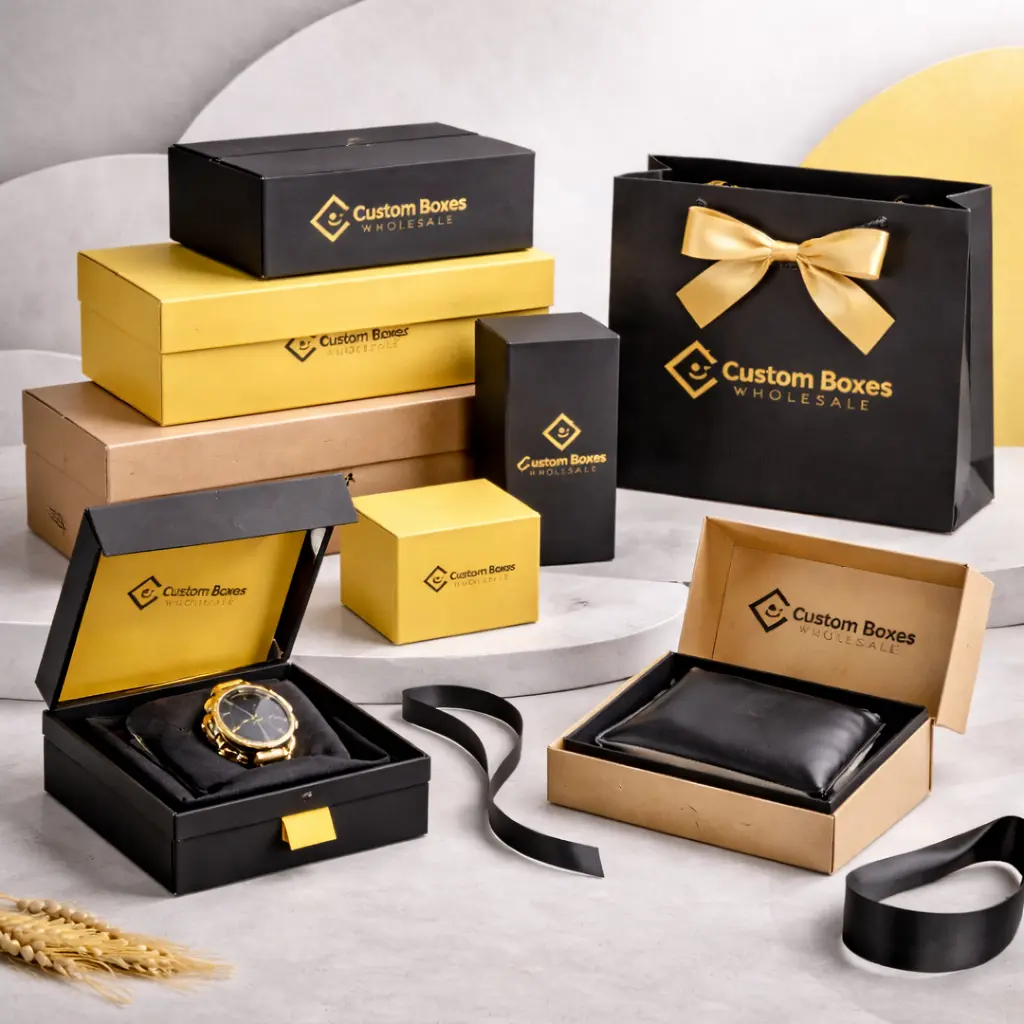
Premium packaging where strength and presentation both matter.
A lot of packaging problems start before print is even discussed. Some products fail in transit because the folding carton looked good on a flat proof but did not hold up once filled, stacked and taped into wholesale shipments. That is common with items that carry more weight than the box size suggests.
We usually begin with the product itself: dimensions, weight, fragility, fill method, shelf requirements and how it will be shipped. For some sectors, a straight tuck box is enough. For others, a crash-lock base, reinforced mailer or rigid format is the safer choice.
Retail packaging requires shelf presence, not just protection. But packaging that looks sharp under store lighting can still underperform if the board scuffs too easily or the surface finish shows marks after handling. That balance matters more than people think.
We match material suitability with print behaviour and shipping conditions. That means considering how ink sits on the stock, whether the finish will show fingerprints, and how the box behaves after being packed in bulk. Good packaging solutions for industries do not come from one feature alone. They come from the way structure, material and print work together.
Businesses usually choose materials based on cost, appearance, print finish and how rough the delivery chain is. There is no single best stock for every sector. The right one depends on what the packaging has to do after it leaves production.
Common for cartons, sleeves and lighter retail packs. It prints cleanly, works well for branded outer packaging and suits a wide range of product categories where moderate protection is enough.
Often chosen by brands that want a more natural look or recyclable feel. It is practical, recognisable and useful where a less coated, less polished appearance suits the product.
Used when presentation and strength both matter. Rigid boxes are common in premium retail, gifting and higher-value products where the customer expects the pack to feel substantial.
A dependable choice where sturdiness matters but cost still needs control. It is often selected for wholesale packaging boxes UK buyers need for daily handling, storage and transport.
CMYK is usually the practical choice for full-colour artwork, mixed imagery and larger product ranges. It works well for brands that need flexibility across multiple designs. Pantone is often preferred when a very specific brand colour has to stay consistent across repeat orders or across several packaging formats.
For many businesses, the decision is less about print theory and more about consistency. If your brand relies on one exact shade, Pantone can remove guesswork.
Matte lamination gives a quieter, more refined look. Gloss tends to push colour and contrast harder on the shelf. Soft-touch works when the product needs a more premium hand-feel, though it is not always the best choice for every fast-moving retail line.
Foil stamping and embossing are useful when you want certain details to carry more authority without redesigning the whole box. Used well, they improve recognition and perceived value. Used badly, they just add cost.
Bulk ordering usually improves cost efficiency, especially when you standardise sizes, board grades and print specifications across a wider product range.
Consistent materials, colour control and finish choices help different SKUs look like part of one organised brand, not separate short-run decisions.
When structure and board strength are chosen properly, the packaging is more likely to arrive clean, hold shape and reduce avoidable complaints.
Well-designed custom printed packaging boxes are easier to assemble, fill, stack and ship, which matters more once order volume starts to rise.
It depends on the box style, material and print requirements. Simpler folding cartons can usually work at lower quantities than rigid boxes or more specialised builds. If you already know your size and rough volume, the best option becomes clearer quite quickly.
Lead time varies with complexity, but most B2B buyers want a realistic schedule rather than a vague promise. Standard custom work is generally faster than heavily finished or highly engineered packaging, especially where inserts or multiple finishing steps are involved.
Yes. In fact, many custom boxes for different industries only work properly when the size is built around the product and not chosen from a standard template. That is especially true for bottles, jars, gift sets, tools and products with awkward proportions.
There is no automatic answer. Cardboard is common for lighter retail cartons, kraft suits more natural-looking packs, rigid works where presentation and strength both matter, and bux board is useful for sturdier everyday wholesale packaging. The right choice depends on the product, price point and delivery conditions.
Yes. CMYK is usually suitable for full-colour artwork and broader design flexibility. Pantone is often preferred where brand colour accuracy has to stay tight across repeat orders or multiple packaging lines.
Not always. Printed packaging helps branding, shelf recognition and consistency, but in some wholesale setups a simpler finish makes more sense. It depends on whether the box is customer-facing, transit-focused or doing both jobs at once.
Tell us your product, target look, and how you ship. We’ll recommend the right board, print, and finish for performance.