Corrugated Board
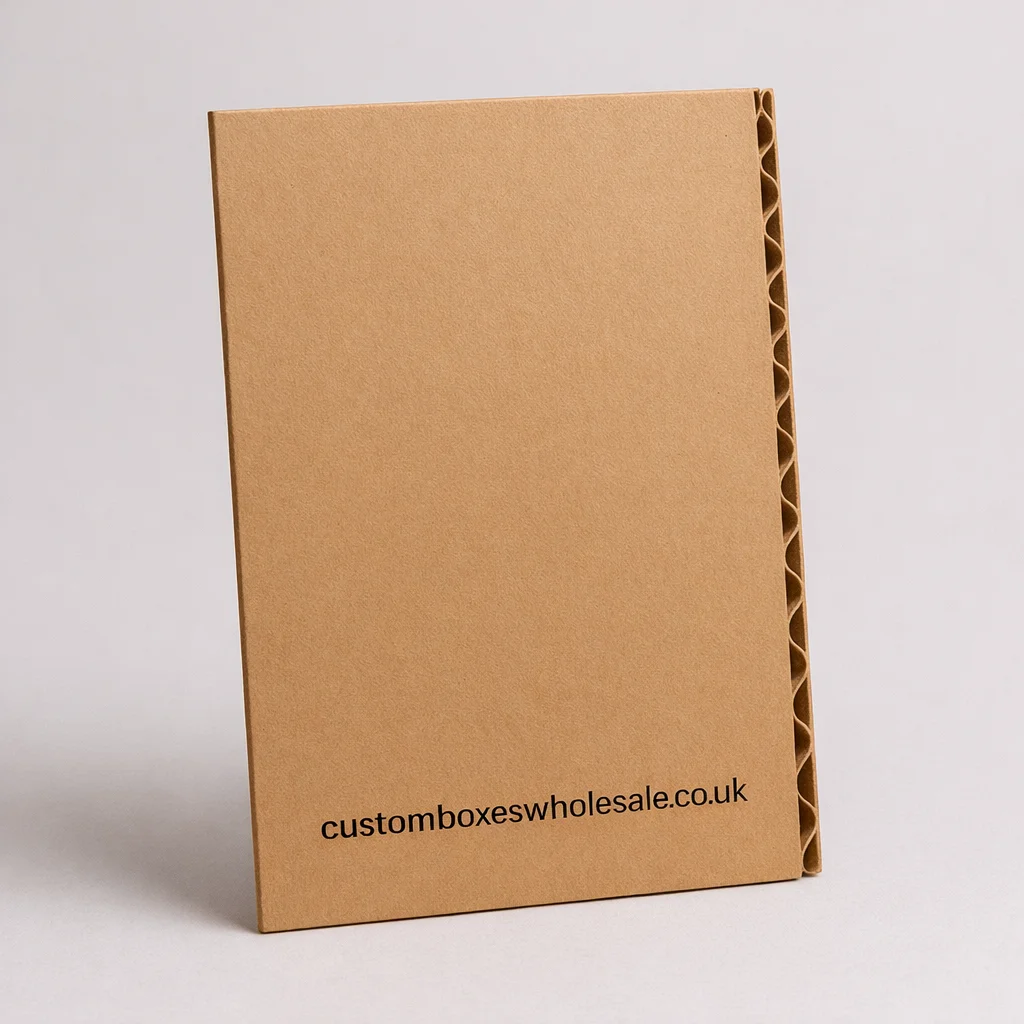
A dependable fluted board built for shipping pressure, stacking strength, and day-to-day courier handling. A practical choice when protection matters as much as presentation.
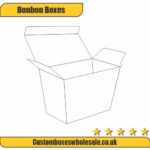
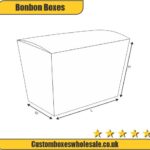
Bonbons look best when they stay exactly where the chocolatier placed them. Custom bonbon boxes can be sized around each piece, with inserts that separate delicate chocolates and keep the finished selection neat.
Share your box details and we will send your price.
Review the main overview, technical information, and common buying questions in one clean product area.
Two chocolatiers can both sell a box of 16 bonbons and still need completely different packaging. One collection might contain small moulded chocolates of almost identical size. Another could combine domes, squares, truffles and decorated pieces with different heights. That changes the internal layout.
Before producing custom bonbon boxes, it makes sense to arrange the actual chocolates as they will be presented. From there, the spacing, insert openings and outer dimensions can be worked out around the collection.
Brands selling bonbons alongside other confectionery can keep a similar visual identity across their chocolate packaging while changing the internal layout for each range.
A box may look simple from the outside, but the insert usually determines how well a box of bonbons arrives. Without enough separation, chocolates can slide together when the box is tilted. Too tight an opening creates another problem: staff have to press the chocolates into place or customers struggle to remove them.
The insert should hold each bonbon without damaging coatings, decorations or delicate edges. Where a collection mixes different shapes, custom-fitted inserts can be arranged around the individual pieces instead of using identical openings throughout the tray.
Piece count alone doesn’t determine the dimensions. A box of 8 bonbons might use two rows of four. A box of 16 could use a 4 × 4 arrangement, while a box of 24 bonbons may need a longer rectangular layout depending on the size of each chocolate.
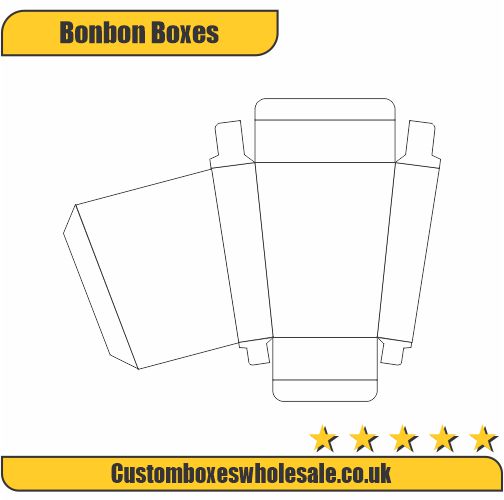
Spacing between pieces also needs to be included. This is why a bonbon box template should be developed from the actual product measurements rather than simply scaling a smaller box up for a larger collection.
Bonbons are often bought as gifts, so opening the box matters almost as much as seeing the outside. A straightforward folding carton can work for everyday selections. Gift collections may call for a separate lid, sleeve, window or more substantial presentation structure.
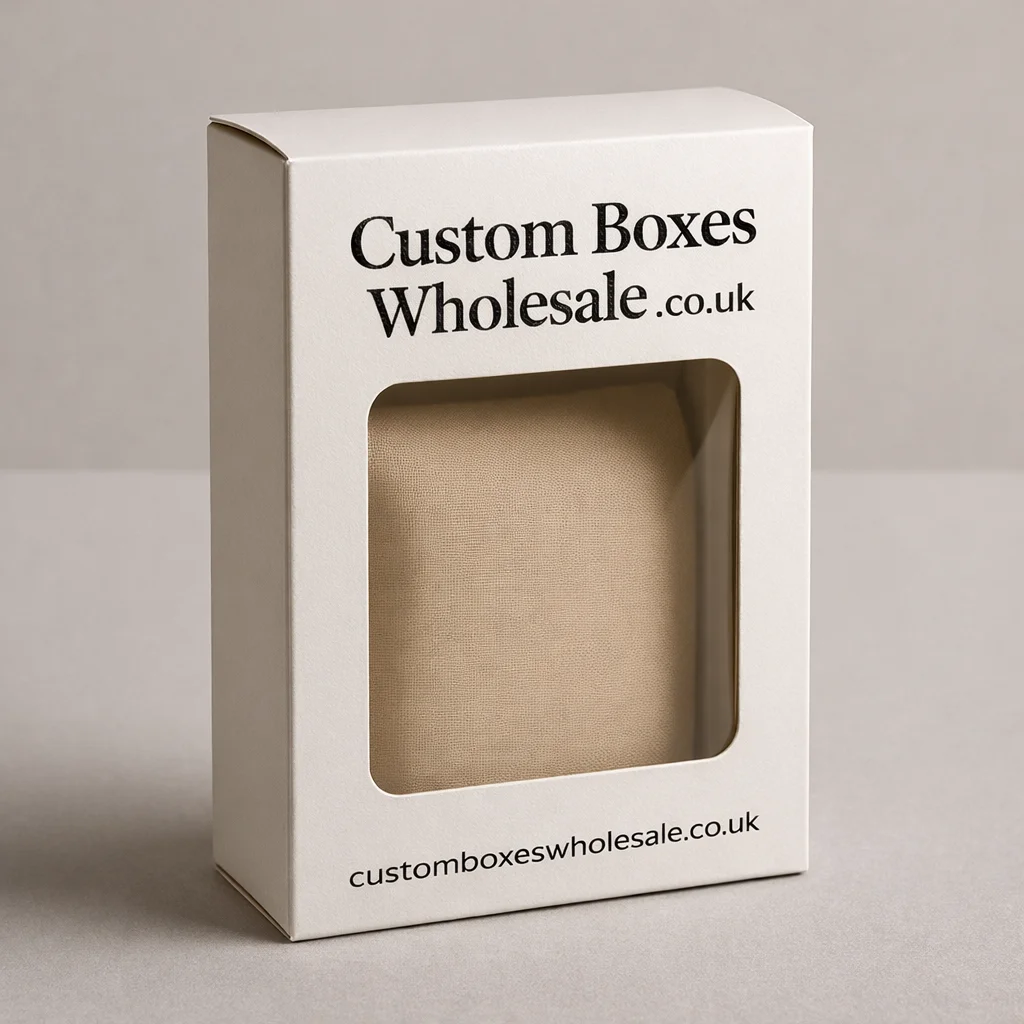
For higher-value collections, lid-and-base boxes give the chocolates a different presentation without changing how the individual bonbons are arranged inside. A window can also be useful when the decoration is part of the appeal. In that case, window packagingcan be planned so the opening lines up with the chocolate arrangement underneath.
Bonbons already bring plenty of colour and detail. For some brands, that means the outer box only needs a logo and a restrained pattern. Others use seasonal illustrations, foil details or stronger colours for Christmas, Valentine’s Day and gifting ranges.
Bonbon box packaging can also carry flavour information, allergen details and other required product information where appropriate. If several assortments use the same box dimensions, artwork can change between collections while the approved structural layout remains consistent.
Small differences in an insert become obvious when hundreds of chocolates are being packed. If openings are too tight, packing slows down. If they’re too loose, the finished arrangement can shift before the lid is closed.
Before ordering bonbon boxes wholesale, testing the proposed tray with the real chocolates is useful. Once the outer dimensions, piece layout and insert fit are settled, the same specification can be retained for repeat production.
| Dimension (L + W + H) | All Custom Sizes & Shapes |
|---|---|
| Quantities | No Minimum Order Required |
| Paper Stock | 210gsm, 250gsm, 280gsm, 300gsm, 350gsm, 420gsm, 460gsm, 500gsm, Bleach Card (SBS), Eco-Friendly Kraft, E-flute Corrugated, Bux Board, etc. |
| Printing | No Printing, CMYK, CMYK + 1 PMS color, CMYK + 2 PMS colors |
| Finishing | Gloss Lamination, Matte Lamination, Gloss AQ, Gloss UV, Matte UV, Spot UV, Embossing, Foiling |
| Included Options | Die Cutting, Gluing, Scoring, Perforation |
| Additional Options | Eco-Friendly, Recycled Boxes, Biodegradable |
| Proof | Flat View, 3D Mock-up, Physical Sampling (On request) |
| Turnaround | 7 – 10 Business Days, RUSH |
| Shipping | FLAT |
What size should a bonbon box be?
The size should be calculated from the finished chocolates, number of pieces, spacing between them and the insert. Two 16-piece collections may need different box dimensions if the bonbons differ in size.
How are bonbons kept from moving inside the box?
A fitted tray or compartment insert can give each chocolate its own position. The openings should provide enough support without gripping delicate coatings or decorations too tightly.
What is a common layout for 8, 16 or 24 bonbons?
Eight bonbons can be arranged in layouts such as 2 × 4, while 16 often works as 4 × 4. A 24-piece arrangement depends more heavily on chocolate dimensions and the desired shape of the finished box.
Which box style works best for bonbon gift sets?
Folding cartons work for straightforward collections, while lid-and-base or other presentation boxes can be used for gifting. The right structure depends on the number of chocolates, presentation and budget.
Can different bonbon flavours share the same packaging?
Yes, when the chocolates have similar dimensions. The same structural template can be retained while printed artwork, flavour information or insert arrangements are changed between collections.
Should bonbon packaging have a window?
A window is useful when customers need to see the assortment before opening it. For gift collections where the reveal is part of the presentation, a closed lid may make more sense.
What should I provide when ordering custom bonbon boxes?
The useful starting details are the bonbon dimensions, number of pieces per box, preferred arrangement, quantity, box style and printing requirements. Details of any insert or window should also be included.
Compare stock types, print routes, ink options, finishing touches, and premium add-ons without jumping between pages.
A dependable fluted board built for shipping pressure, stacking strength, and day-to-day courier handling. A practical choice when protection matters as much as presentation.
A natural-looking stock with a warm, honest finish. It suits brands that want a grounded, minimal, and more responsible packaging appearance.
A bright white surface that delivers crisp print, cleaner colour reproduction, and a polished retail look for detailed branding work.
A rich dark stock made for brands that want contrast, restraint, and a more elevated shelf presence without over-designing the pack.
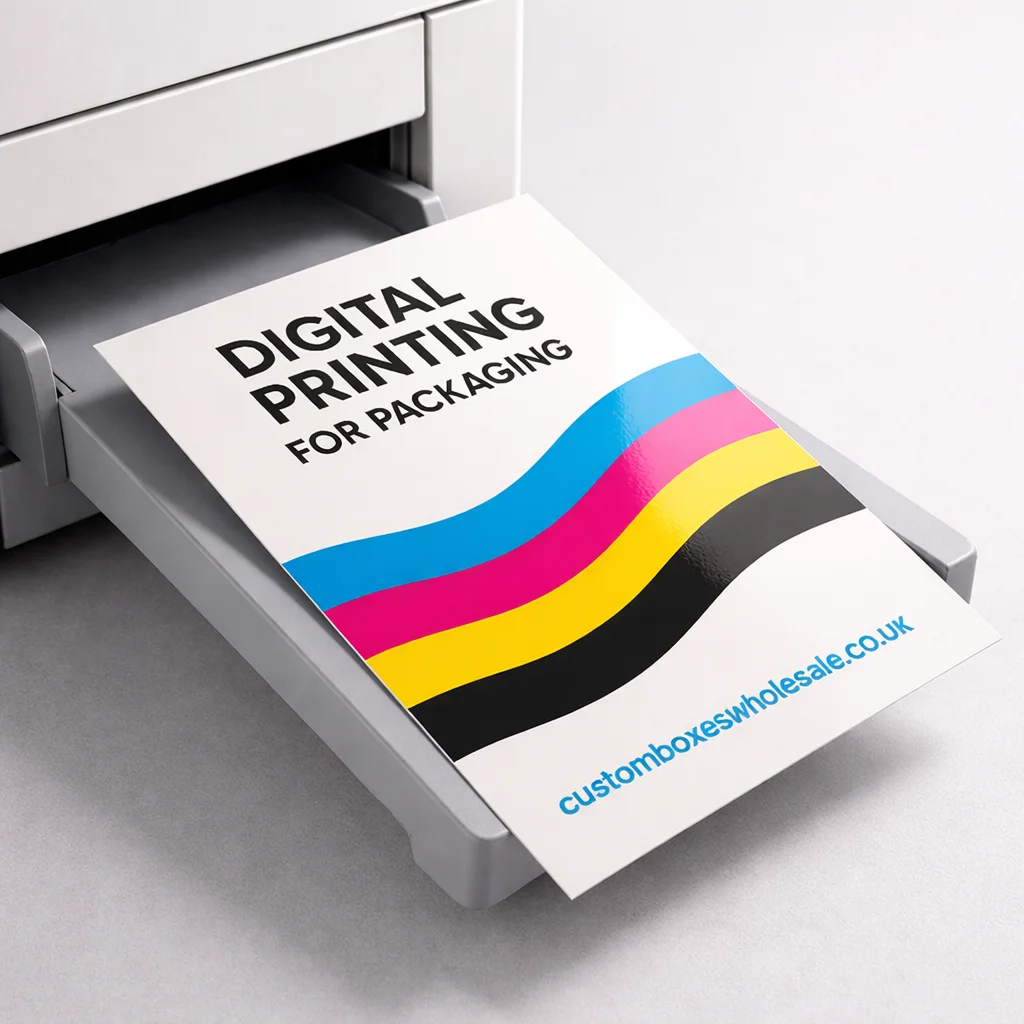
A smart option for smaller quantities, quicker launches, and product lines where artwork changes often. Great for agility without sacrificing presentation.
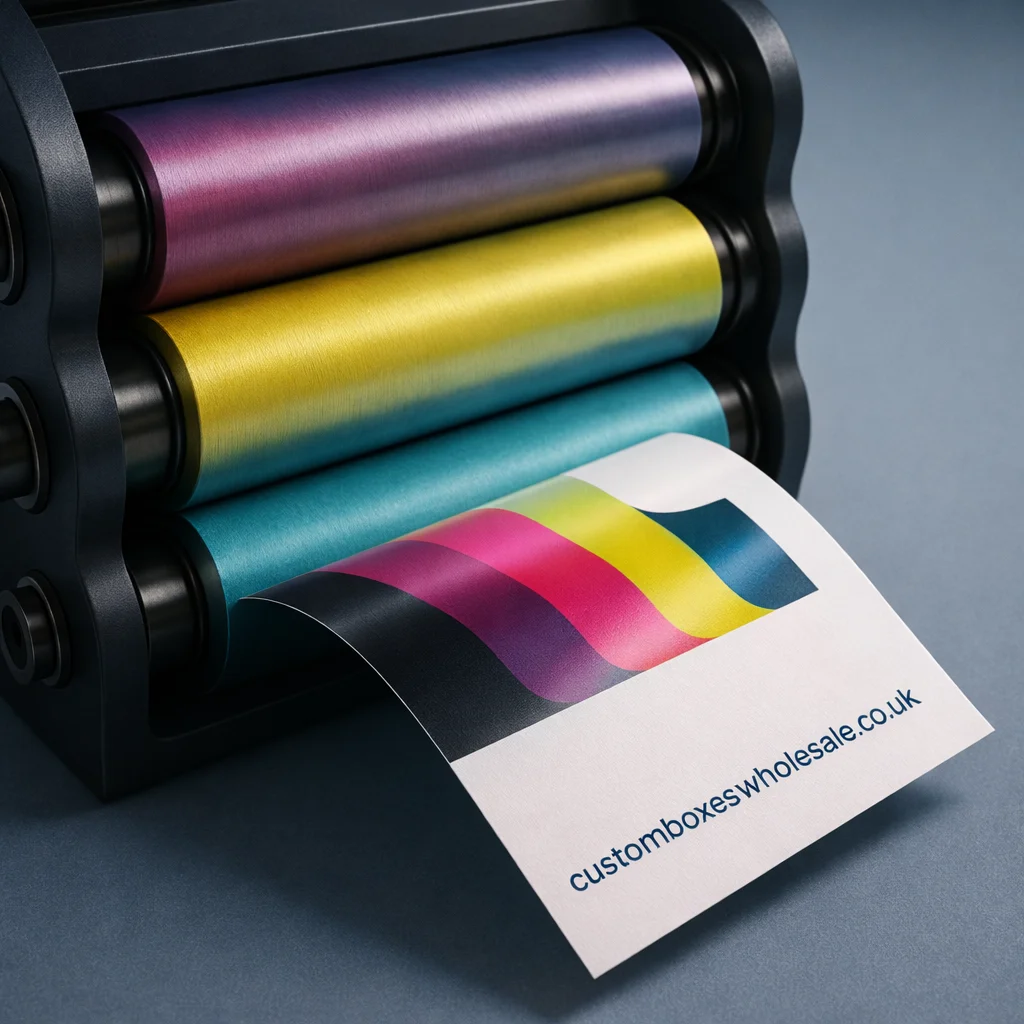
Ideal for longer production runs where colour control, fine detail, and repeat consistency need to stay locked in from batch to batch.
Used when packaging needs extra touch appeal. It adds elevated detail that catches light and gives branded areas more presence in hand.
A crisp, high-density print process for designs that need vibrancy, quick curing, and reliable durability on coated packaging surfaces.
The everyday foundation for full-colour packaging artwork, especially when designs include images, gradients, or more layered creative work.
Chosen when brand identity needs tighter control. Ideal for signature colours that must stay recognisable across different runs and materials.
Useful for simple, confident branding where coverage and opacity matter more than highly detailed artwork or photographic effects.
A cleaner print route often paired with kraft boards and sustainability-led packaging briefs where materials and messaging need to feel aligned.
A restrained finish that softens reflection and supports a cleaner, more refined premium look while improving surface protection.
Used when colour needs more energy and the final carton should feel brighter, sharper, and more immediately visible in display settings.
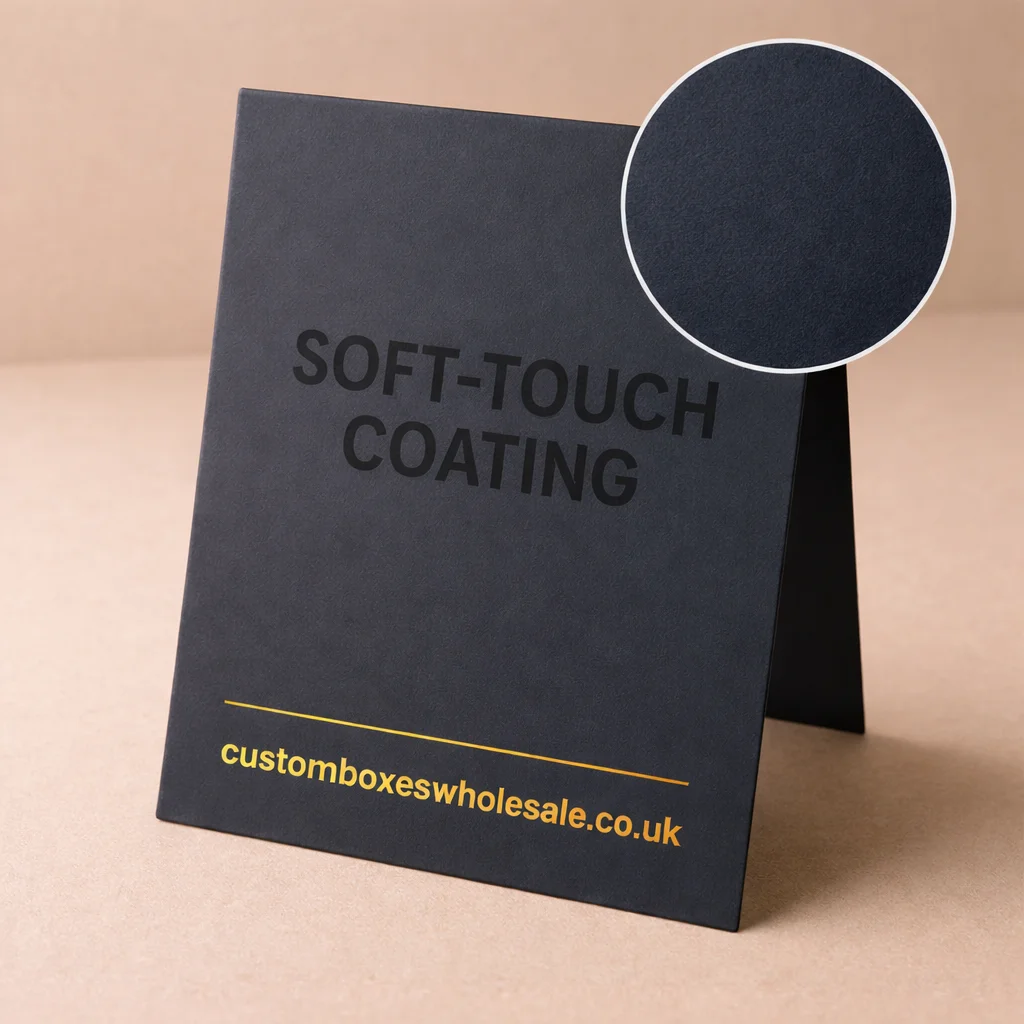
A velvety finish that changes how the pack feels in hand. Best used where tactile quality helps support a more premium brand impression.
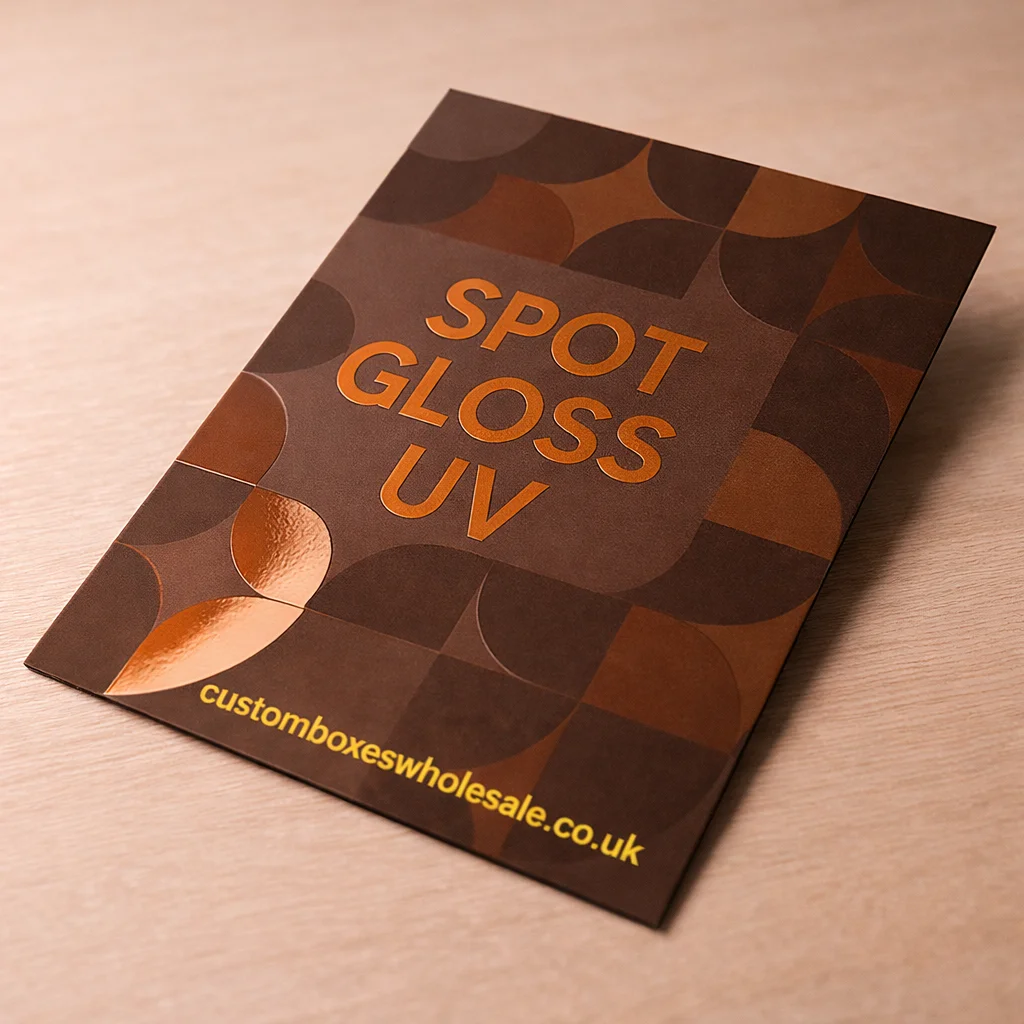
Adds focused gloss only where you want attention, usually on logos, names, patterns, or small design details that deserve a highlight.
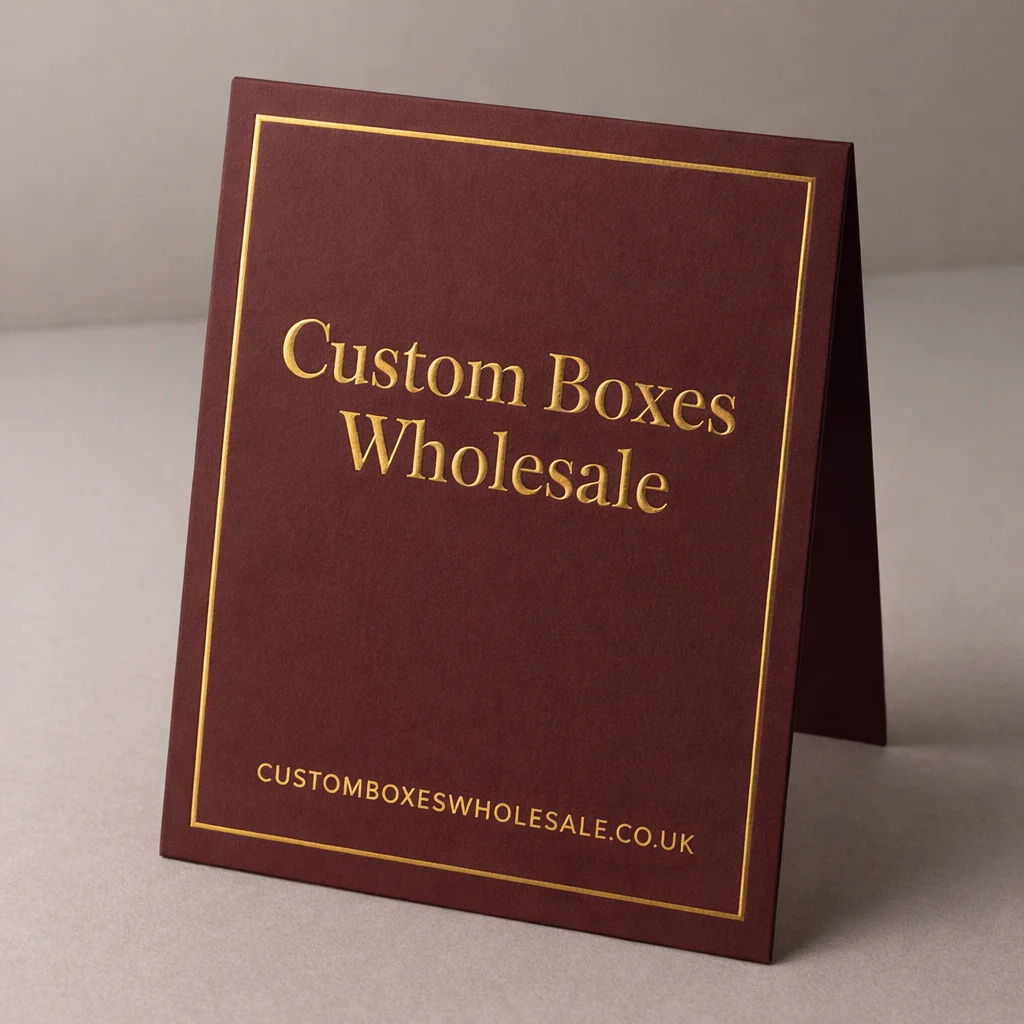
A high-visibility enhancement used for logos, product names, borders, and presentation-led packs that need a stronger premium cue.
Builds depth into selected areas so the design does not just look better, it feels more considered in the customer’s hand.
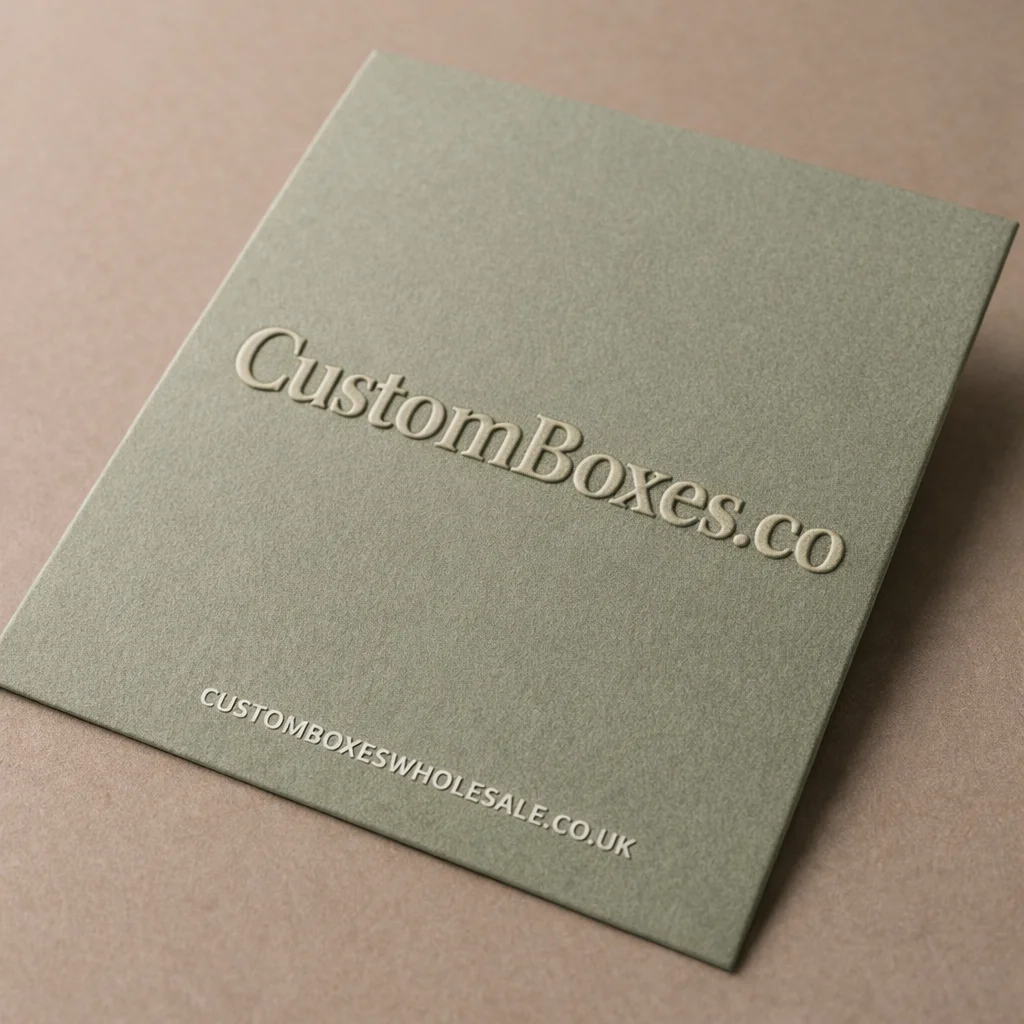
Creates recessed detail for a quieter premium effect, especially useful on understated packs where elegance relies on restraint.
A practical add-on when the product itself helps sell the pack. Suitable for cartons that benefit from partial product reveal.
Good packaging decisions are not only about print. They affect shipping efficiency, shelf appeal, storage, handling, and repeat ordering. That is where practical support matters.
Share sizes, quantity targets, product type, and any branding direction you already have.
We match the brief with board grade, print route, finish level, and practical packaging format.
The key production details are checked before the job moves forward into the main run.
Your order moves through manufacturing, quality review, packing, and delivery scheduling.
Tell us your product, target look, and how you ship. We’ll recommend the right board, print, and finish for performance.