
 Protective
Corrugated Board
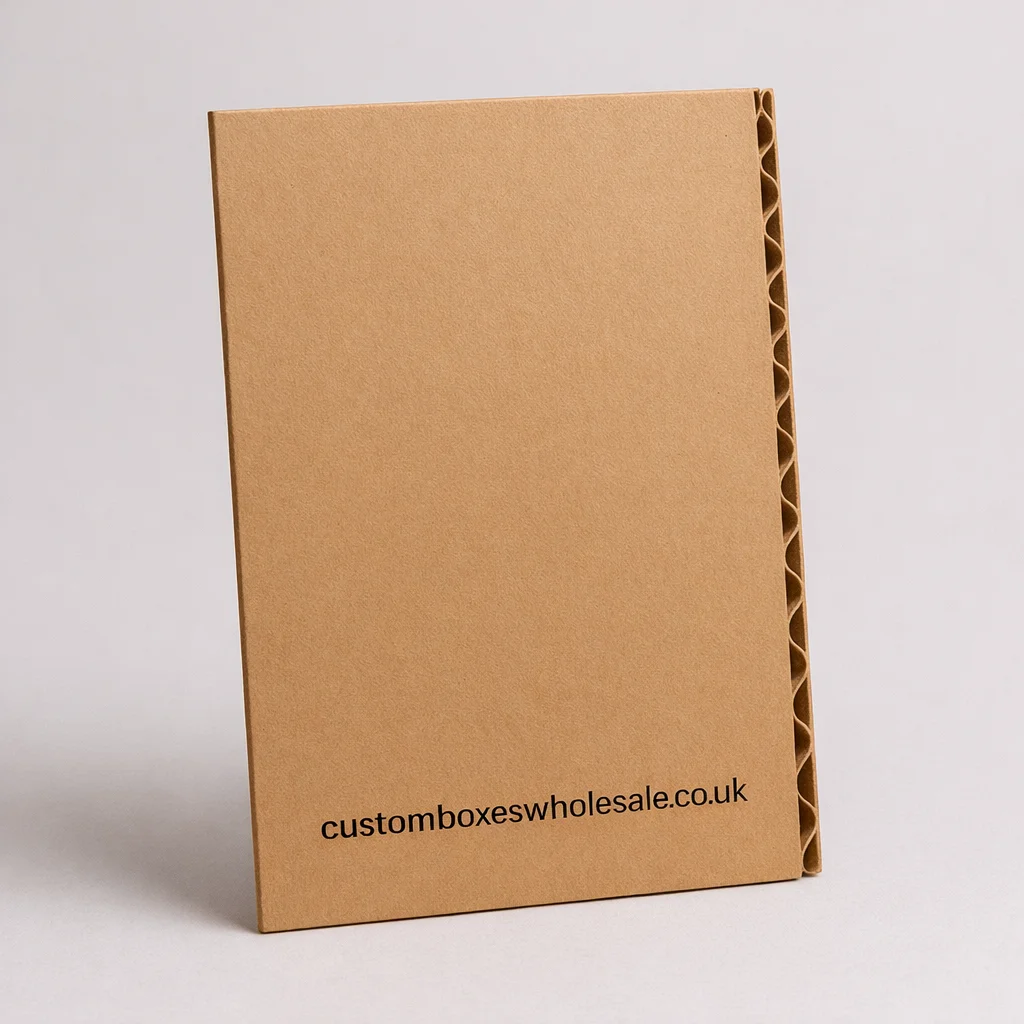
A dependable fluted board built for shipping pressure, stacking strength, and day-to-day courier handling. A practical choice when protection matters as much as presentation.
Built for brands that need cleaner presentation, stronger packaging logic, and a smoother route from enquiry to production.
Custom Pouches And Bags are built for brands that need more than a plain stock carton. We produce custom packaging for UK businesses that want reliable structure, sharp print, flexible sizing, and trade-friendly ordering. Whether you need retail presentation, shipping protection, shelf impact, or cleaner brand consistency across a range, the right solution usually comes down to board choice, print method, finishing, and how the box behaves in real handling. This category brings those options together in one place so buyers can compare styles, review packaging capabilities, and move quickly into sampling or quotation.
Pouches and bags look simple, but they behave very differently from box packaging.
There’s no rigid structure holding everything in place. Instead, the material flexes, folds, and adjusts around the product. That makes them easier to store and transport, but also means the design and sizing have to be more precise.
We’ve seen products packed in good-quality bags still feel off because the size wasn’t right or the seal didn’t hold properly. Small details like that show up quickly, especially in retail and delivery.
At Custom Boxes Wholesale, custom pouches and bags are built around how the product is filled, sealed, and handled. The focus is on practicality first, then presentation.
This category covers flexible packaging formats rather than rigid boxes.
Custom bags are usually used for carrying or outer packaging. They’re open, easy to handle, and often used in retail or gifting.
Custom pouches are more controlled. They’re sealed or resealable and used for products that need containment rather than just carrying.
That’s usually the main difference between pouch and bag. Bags focus on handling and transport. Pouches focus on storage and protection.
Both fall under custom packaging bags, but the structure changes depending on how the product is used.
Pouches and bags show up across different industries, and each one uses them differently.
Retail stores use custom printed bags for carrying products. These need to be durable and consistent.
Food and consumable products rely on custom pouch packaging. Sealing, freshness, and storage matter more here.
eCommerce uses mailing bags for delivery. These are built for movement and handling rather than display.
Gift setups use custom gift bags where presentation matters more than protection.
Same category, but completely different behaviour depending on use.
This category includes product-specific formats used across retail, food, and shipping.
Each one serves a different purpose, even though they all fall under flexible packaging.
Material choice changes how the packaging actually behaves, not just how it looks.
Paper works well for lighter bags, especially in retail where weight isn’t a big issue. It’s easy to handle and keeps things simple.
For sealed pouches, you’ll usually see layered films instead. They hold shape better and protect what’s inside, especially when the product needs to stay fresh.
Mylar shows up when barrier protection matters more. It’s used where air, moisture, or light can affect the product over time.
Then there are laminated setups. These are used when a single material isn’t enough, usually to balance strength with sealing.
Sustainability does come into play here, but it depends on how these layers are combined. Some options are easier to recycle than others.
Pouches and bags are defined more by closure and shape than rigid structure.
The structure depends on whether the packaging is meant to carry, store, or protect.
This part usually looks simple from the outside, but it’s where things can go wrong if overdone.
With pouches and bags, printing has to stay clear first. There’s often product info involved, so readability matters more than decoration.
Matte finishes are used quite a bit. They don’t reflect much light and tend to feel more controlled in hand. Gloss can work, but it depends on the product. Sometimes it looks sharper, sometimes it just shows marks faster.
Branding still needs to stay consistent, especially across bulk runs. Small colour shifts stand out more on flexible materials.
In most cases, keeping it balanced works better. Too much going on in the design usually makes it harder to read rather than better.
Custom bags in bulk help manage both cost and consistency. Bulk production reduces per-unit cost over time. Repeat orders maintain the same material and print quality.
This matters more in flexible packaging because inconsistencies show quickly in sealing and structure. Everything is made to order based on your exact requirements.
Use the search box below to narrow the visible products on this page, then move into the product that matches your style, size, or packaging direction.
 View product
If the handles pull loose or the base gives way under weight, the bag fails at the point it’s actually used. That…
These tabs are here to help category buyers understand what usually changes the look, cost, feel, and real-world performance of a custom box before they request a quote.
Protective
A dependable fluted board built for shipping pressure, stacking strength, and day-to-day courier handling. A practical choice when protection matters as much as presentation.
 Eco
Eco
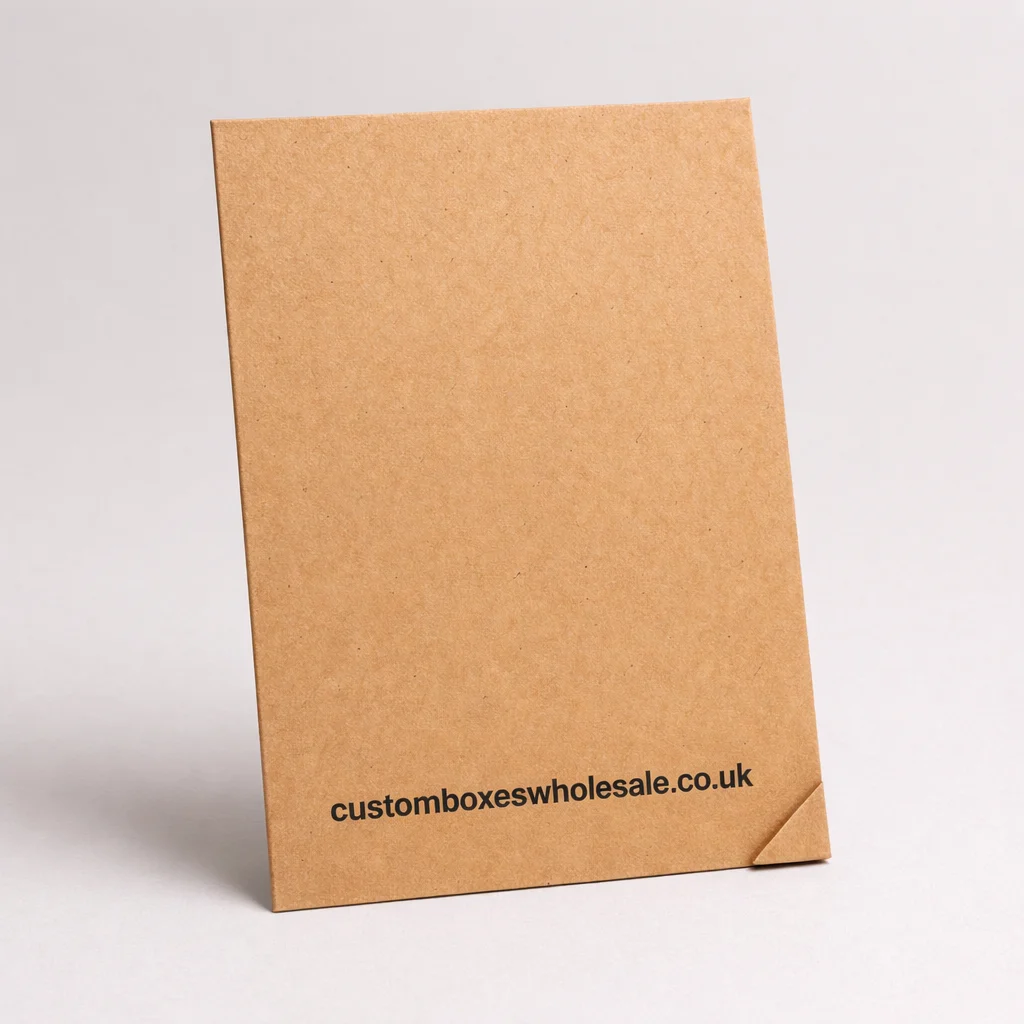
A natural-looking stock with a warm, honest finish. It suits brands that want a grounded, minimal, and more responsible packaging appearance.
 Retail
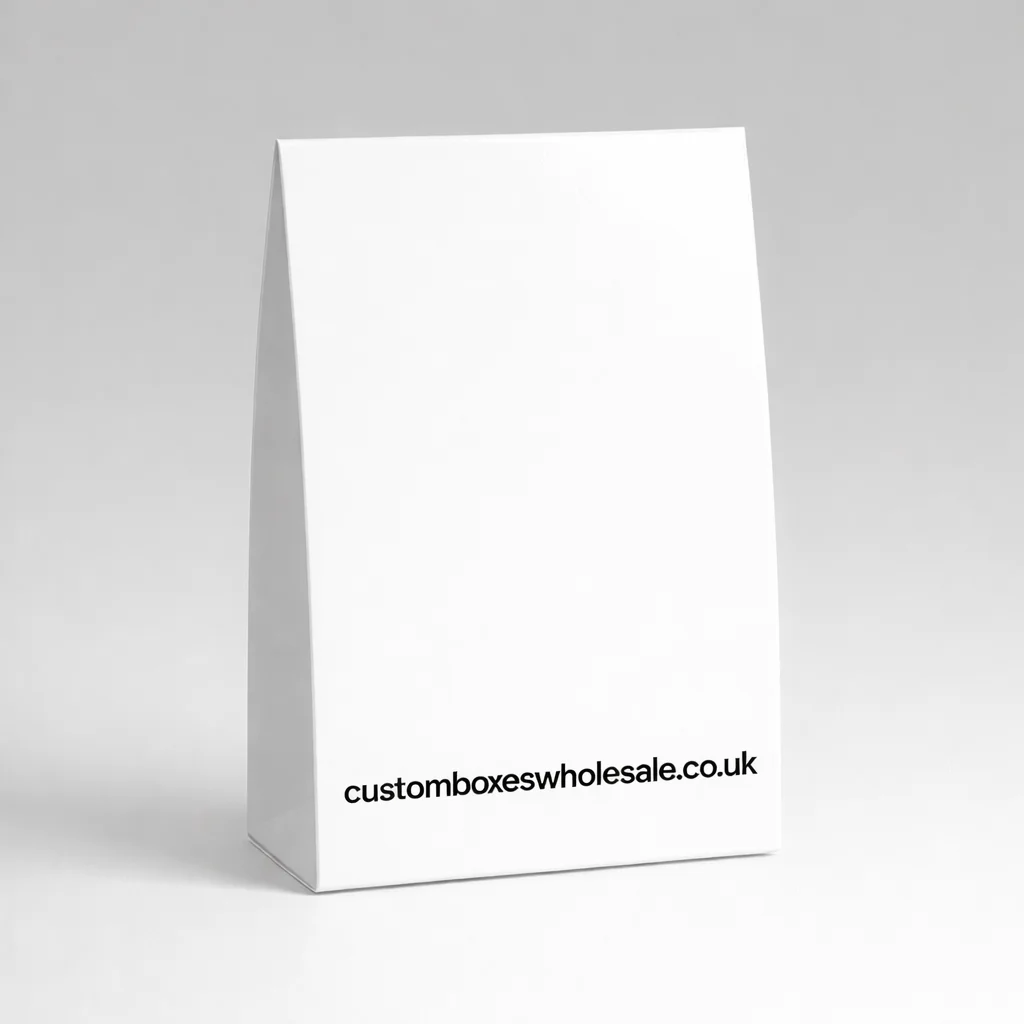
A bright white surface that delivers crisp print, cleaner colour reproduction, and a polished retail look for detailed branding work.
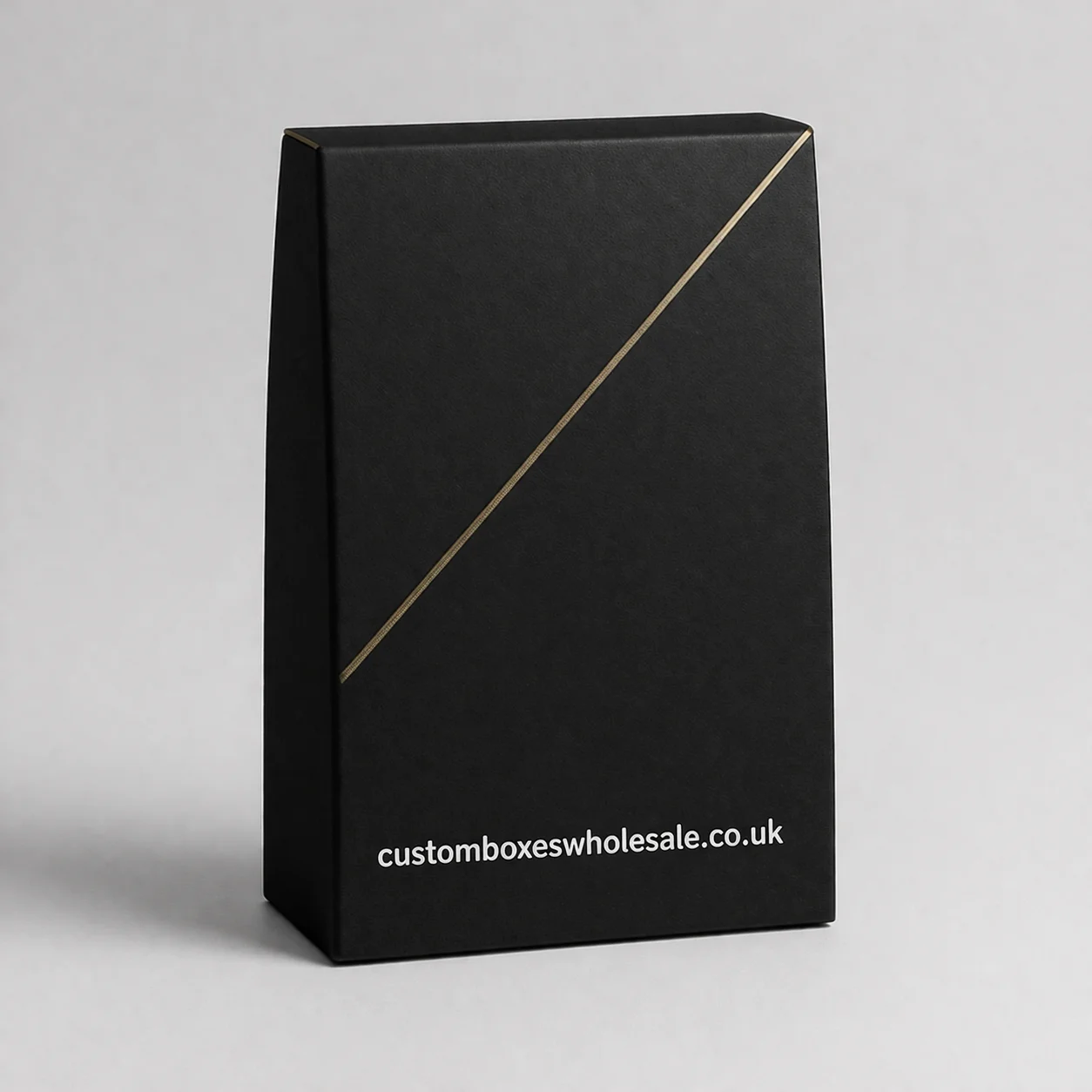 Luxury
A rich dark stock made for brands that want contrast, restraint, and a more elevated shelf presence without over-designing the pack.
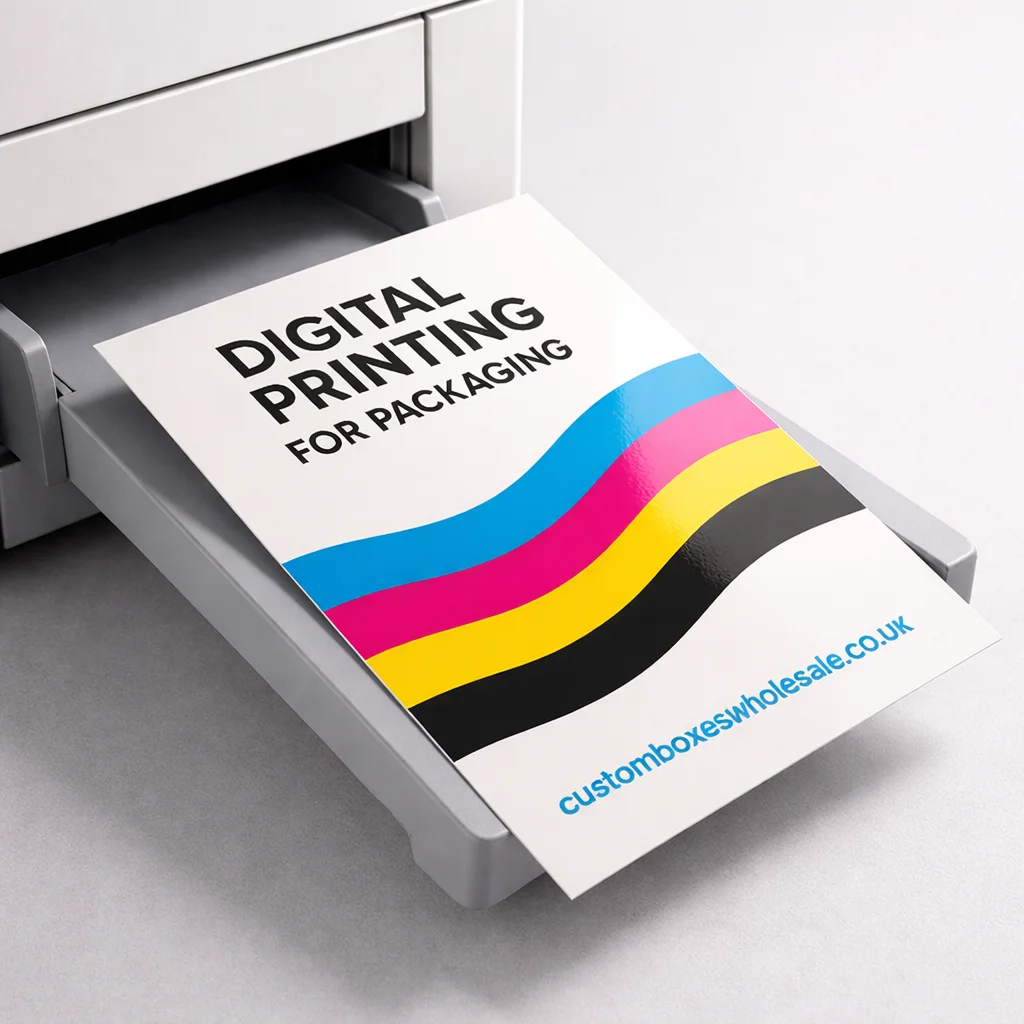 Fast
Fast
A smart option for smaller quantities, quicker launches, and product lines where artwork changes often. Great for agility without sacrificing presentation.
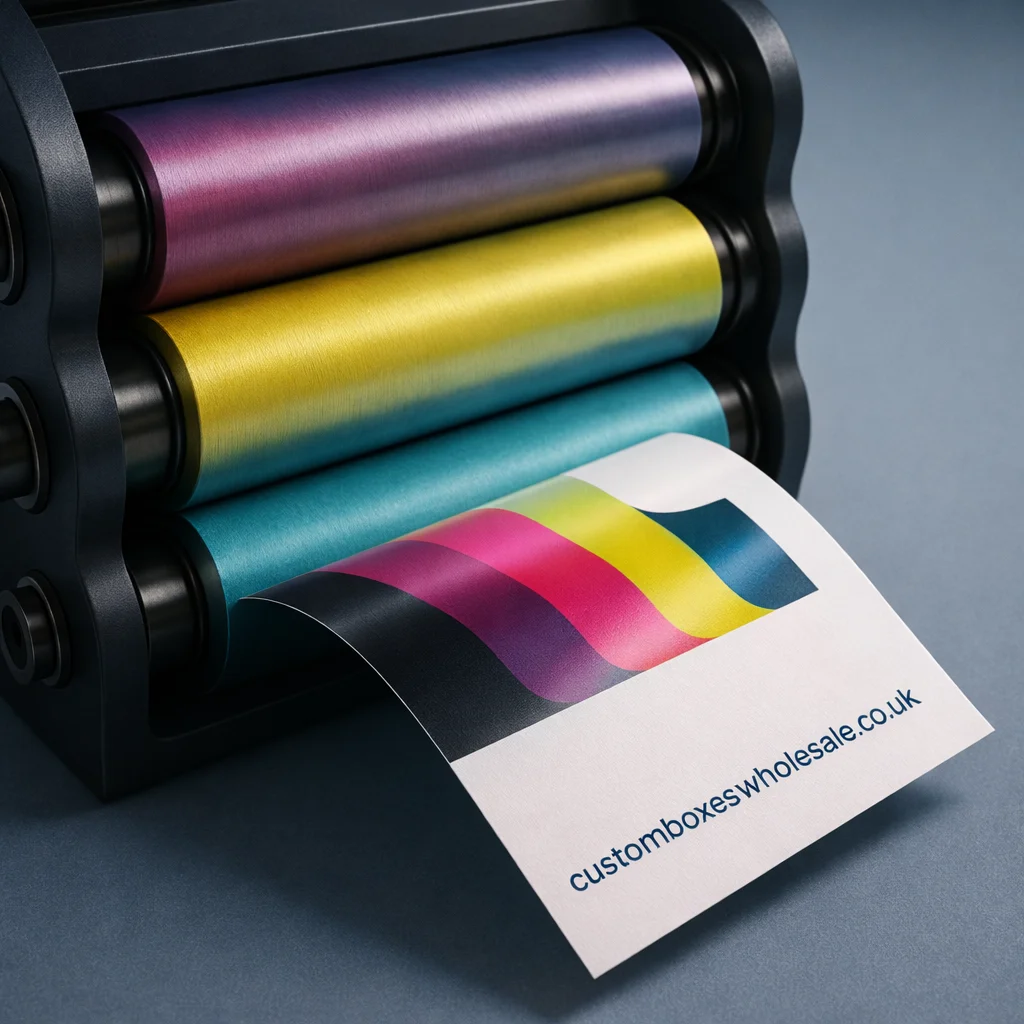 Scale
Scale
Ideal for longer production runs where colour control, fine detail, and repeat consistency need to stay locked in from batch to batch.
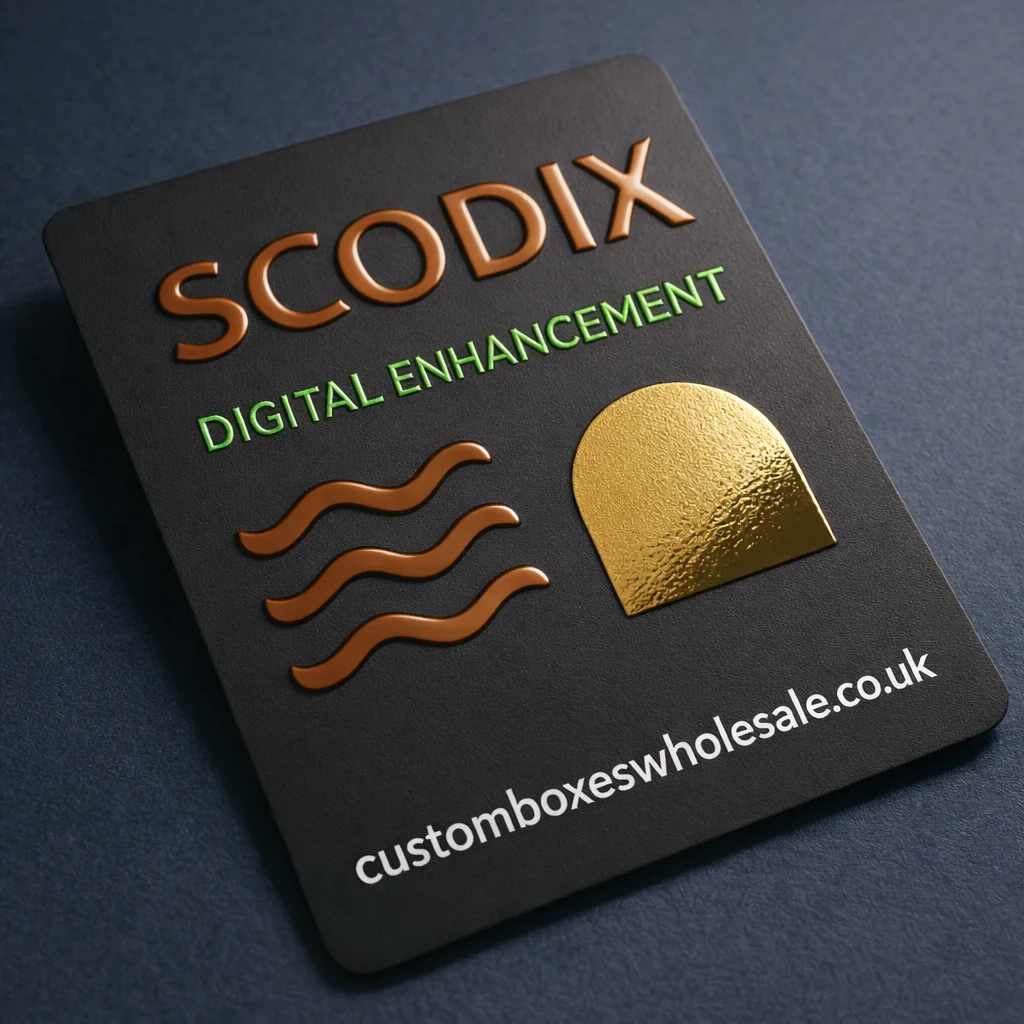 Premium
Used when packaging needs extra touch appeal. It adds elevated detail that catches light and gives branded areas more presence in hand.
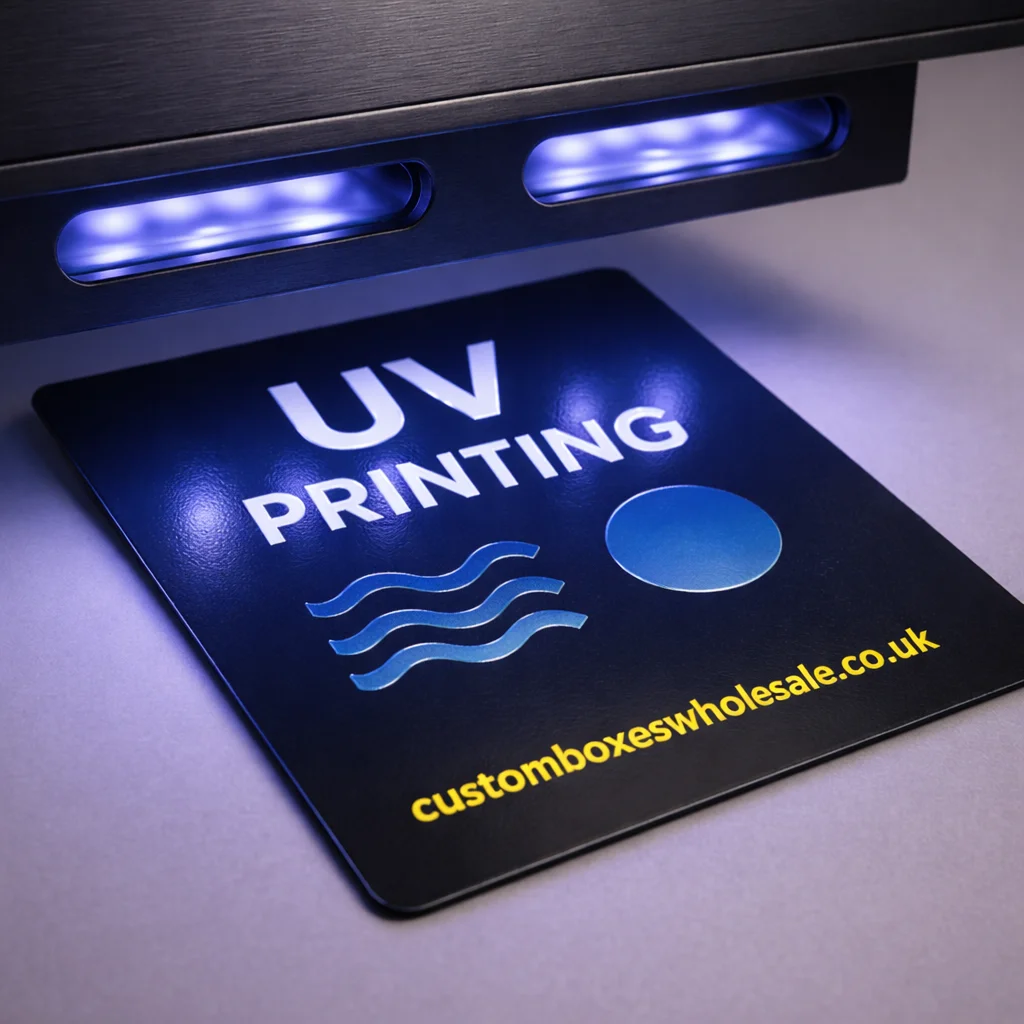 Vivid
Vivid
A crisp, high-density print process for designs that need vibrancy, quick curing, and reliable durability on coated packaging surfaces.
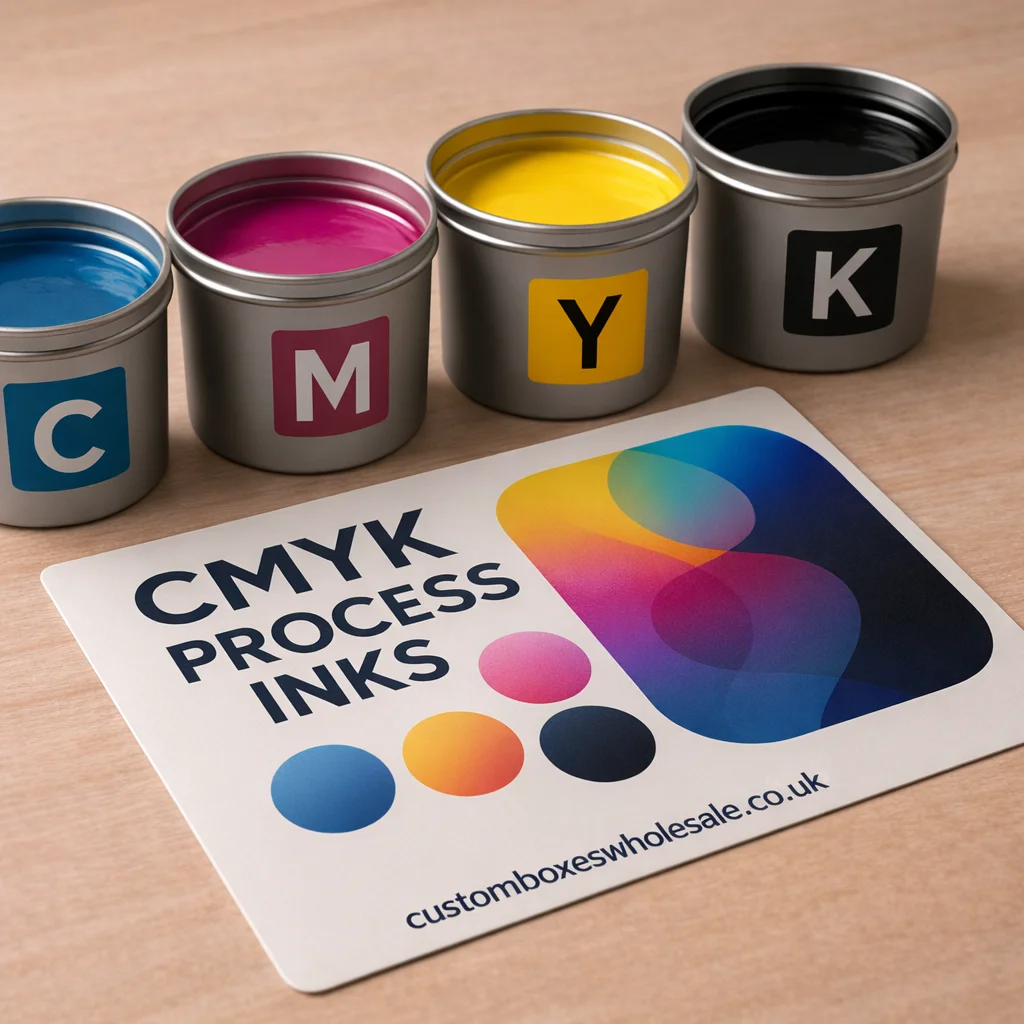 Standard
The everyday foundation for full-colour packaging artwork, especially when designs include images, gradients, or more layered creative work.
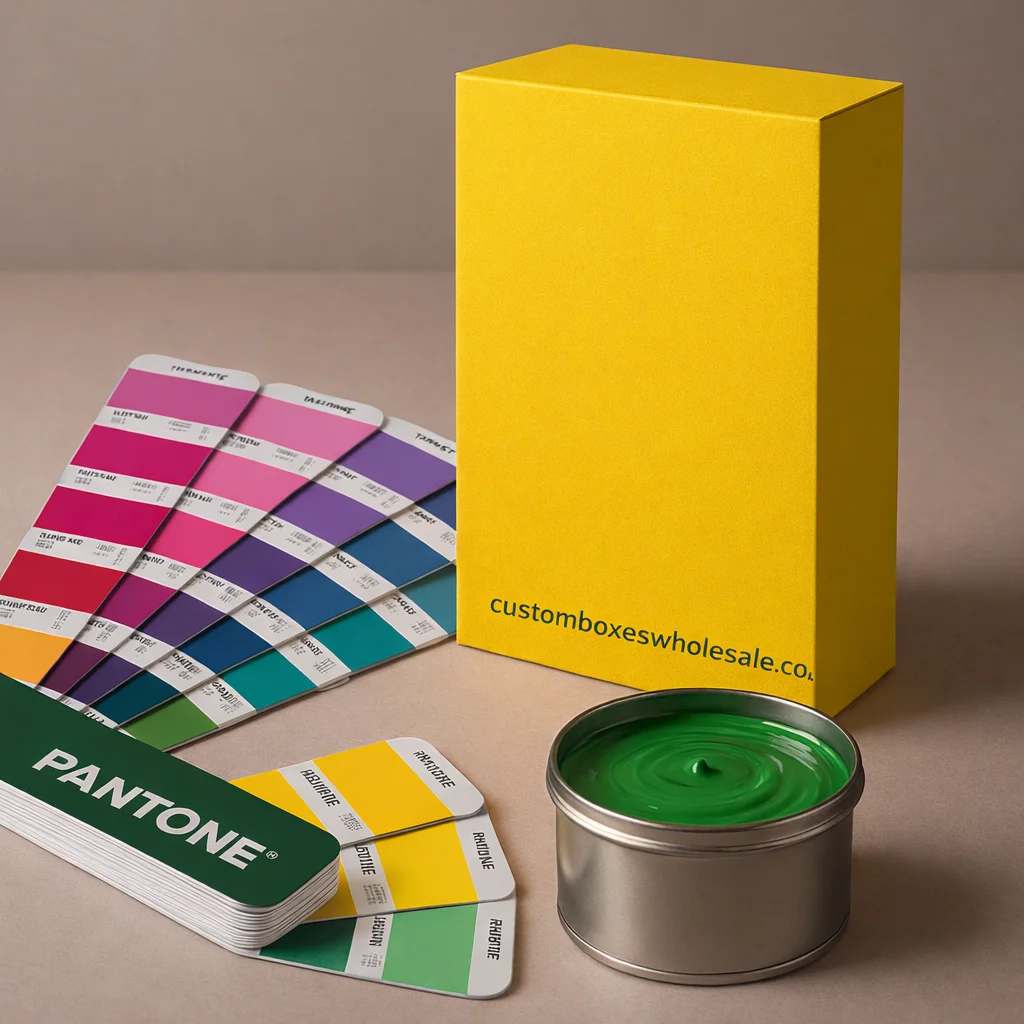 Brand
Brand
Chosen when brand identity needs tighter control. Ideal for signature colours that must stay recognisable across different runs and materials.
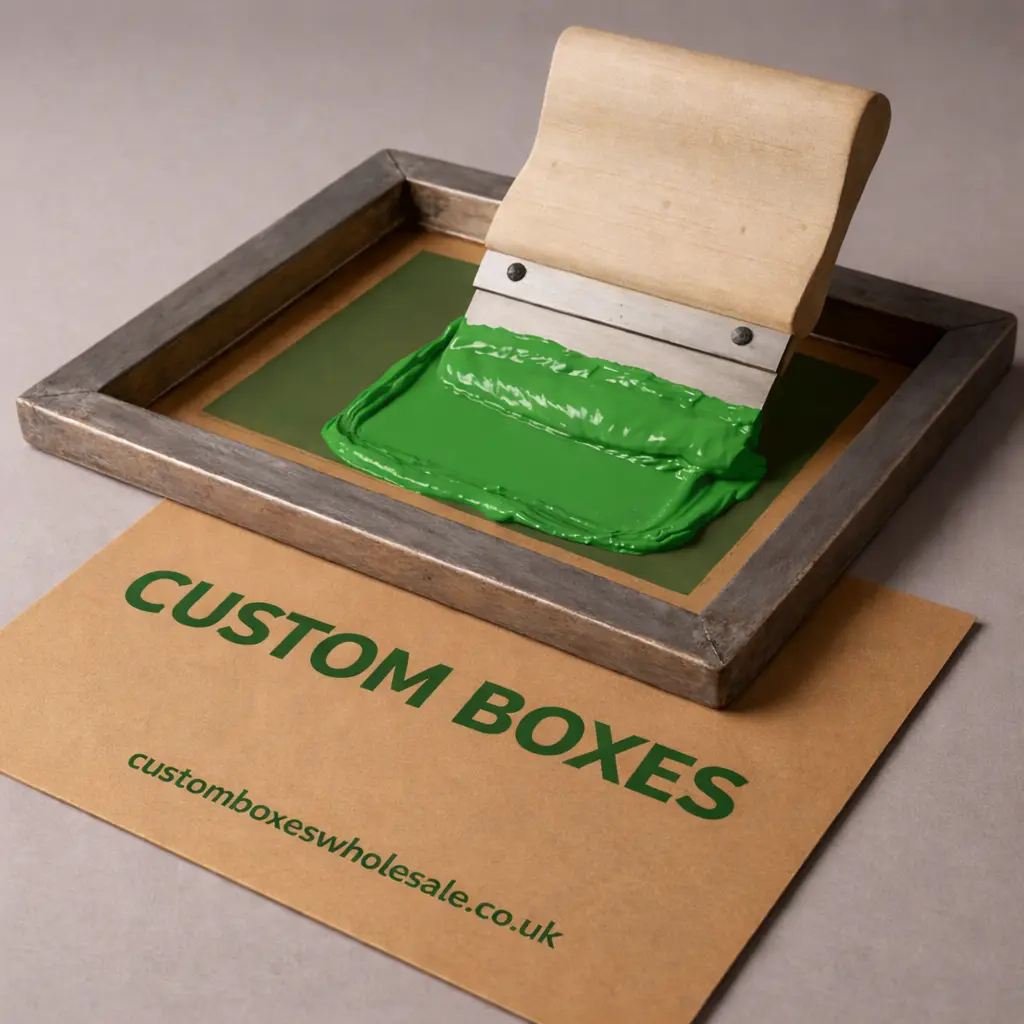 Bold
Bold
Useful for simple, confident branding where coverage and opacity matter more than highly detailed artwork or photographic effects.
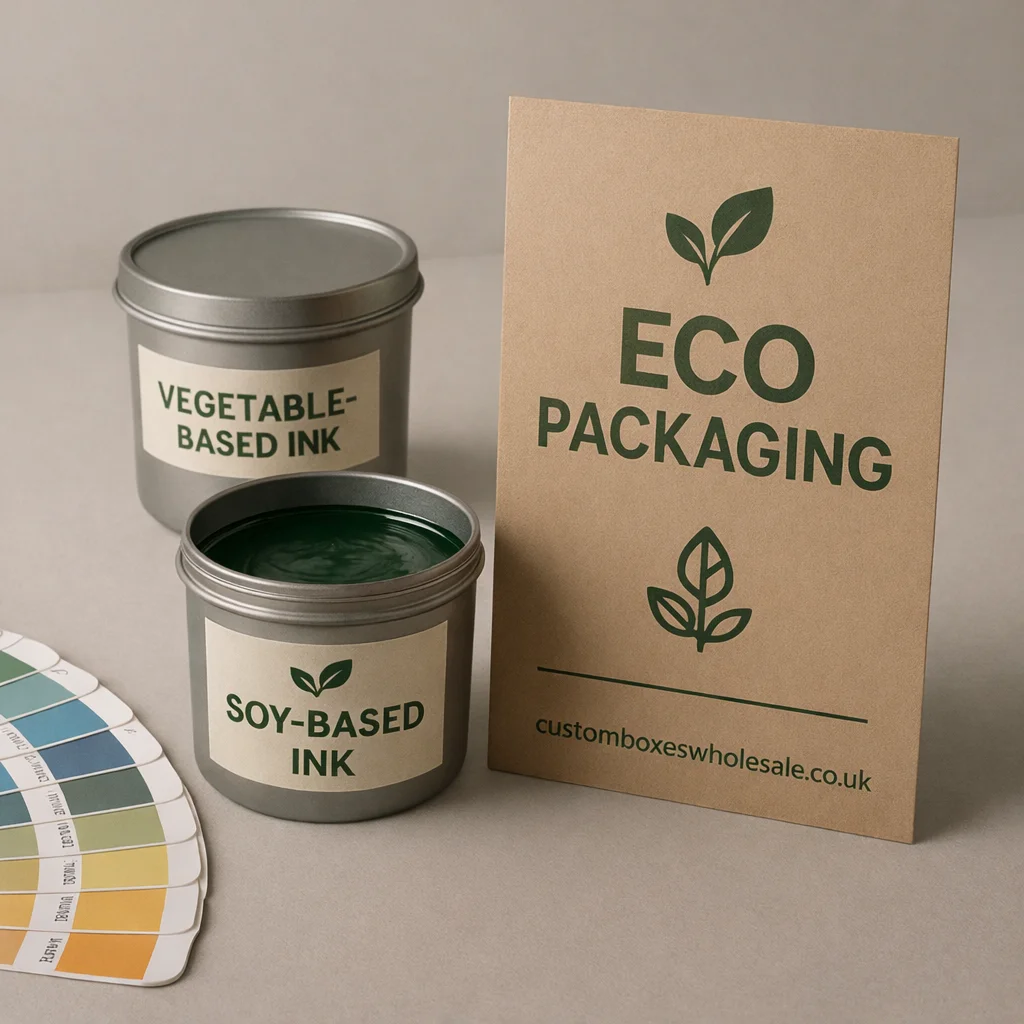 Eco
Eco
A cleaner print route often paired with kraft boards and sustainability-led packaging briefs where materials and messaging need to feel aligned.
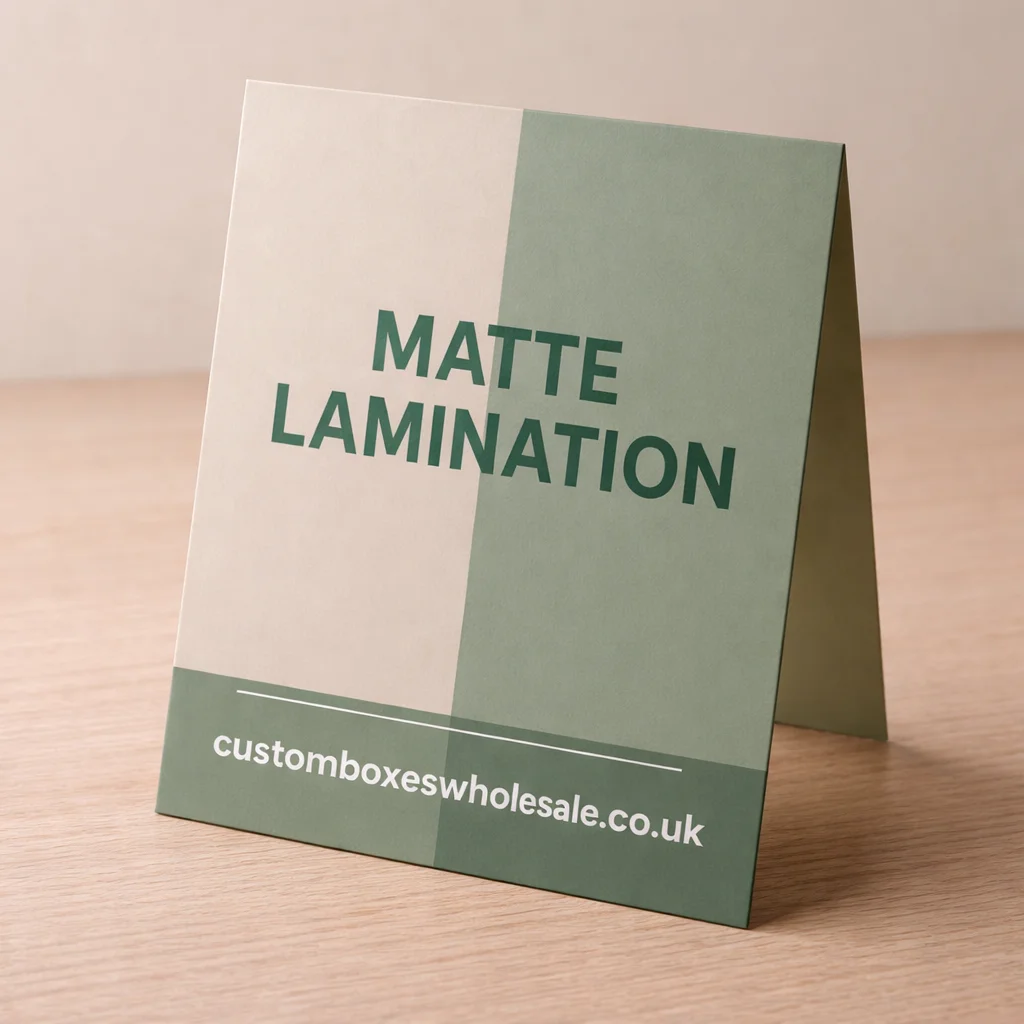 Smooth
A restrained finish that softens reflection and supports a cleaner, more refined premium look while improving surface protection.
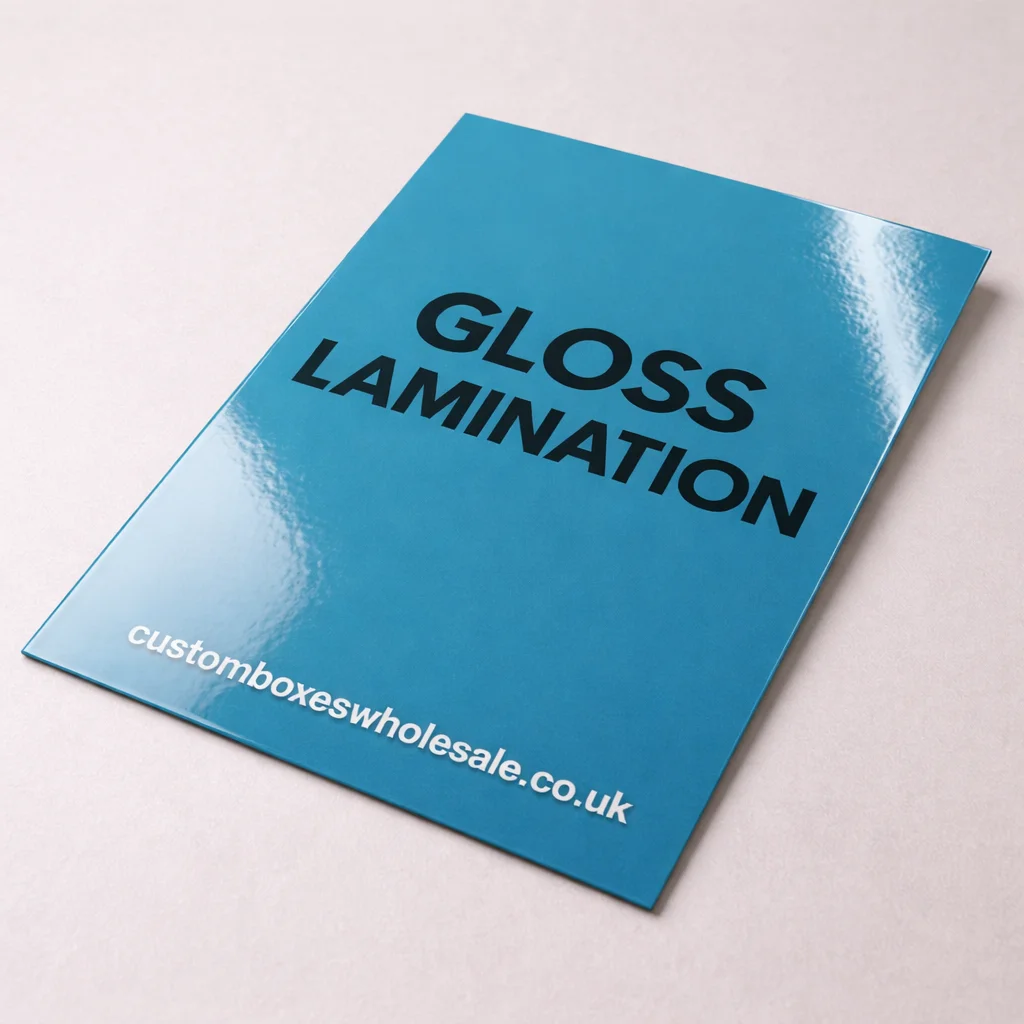 Shine
Shine
Used when colour needs more energy and the final carton should feel brighter, sharper, and more immediately visible in display settings.
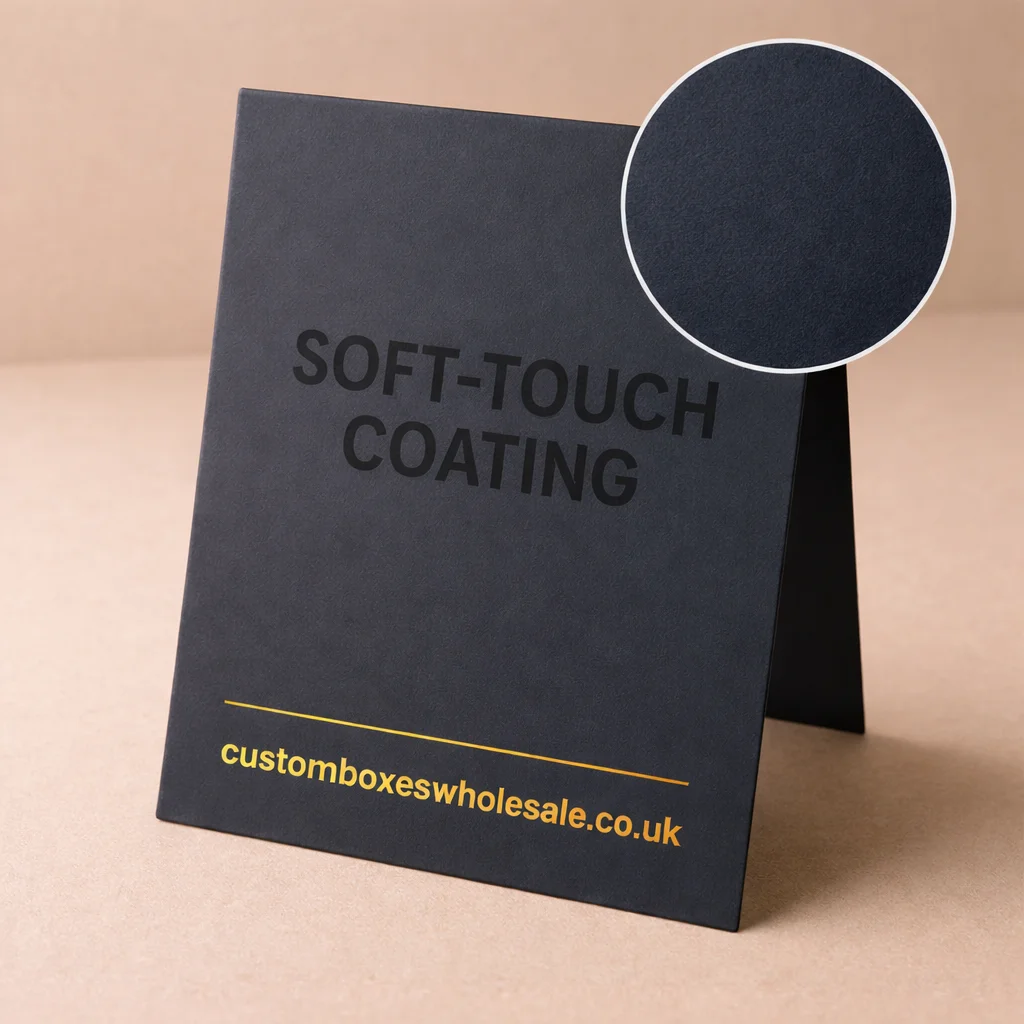 Soft
Soft
A velvety finish that changes how the pack feels in hand. Best used where tactile quality helps support a more premium brand impression.
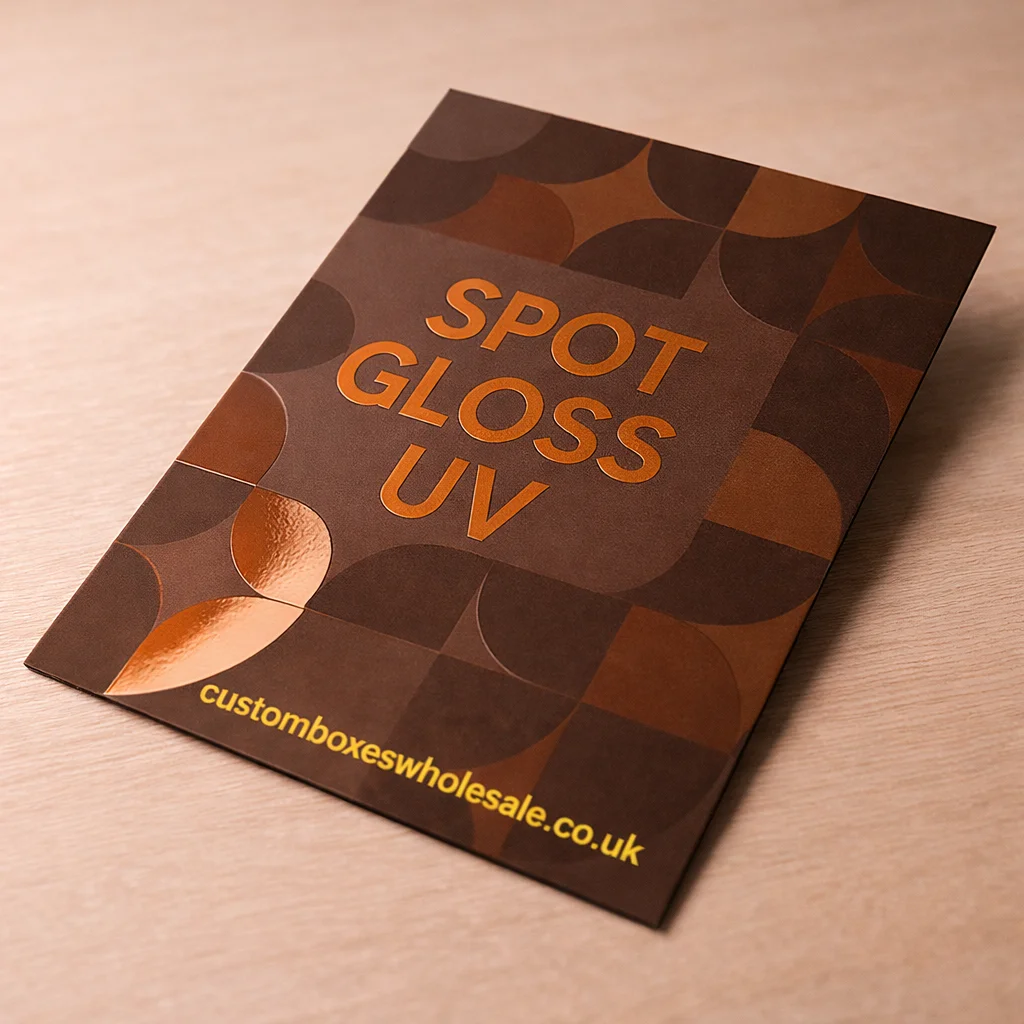 Detail
Adds focused gloss only where you want attention, usually on logos, names, patterns, or small design details that deserve a highlight.
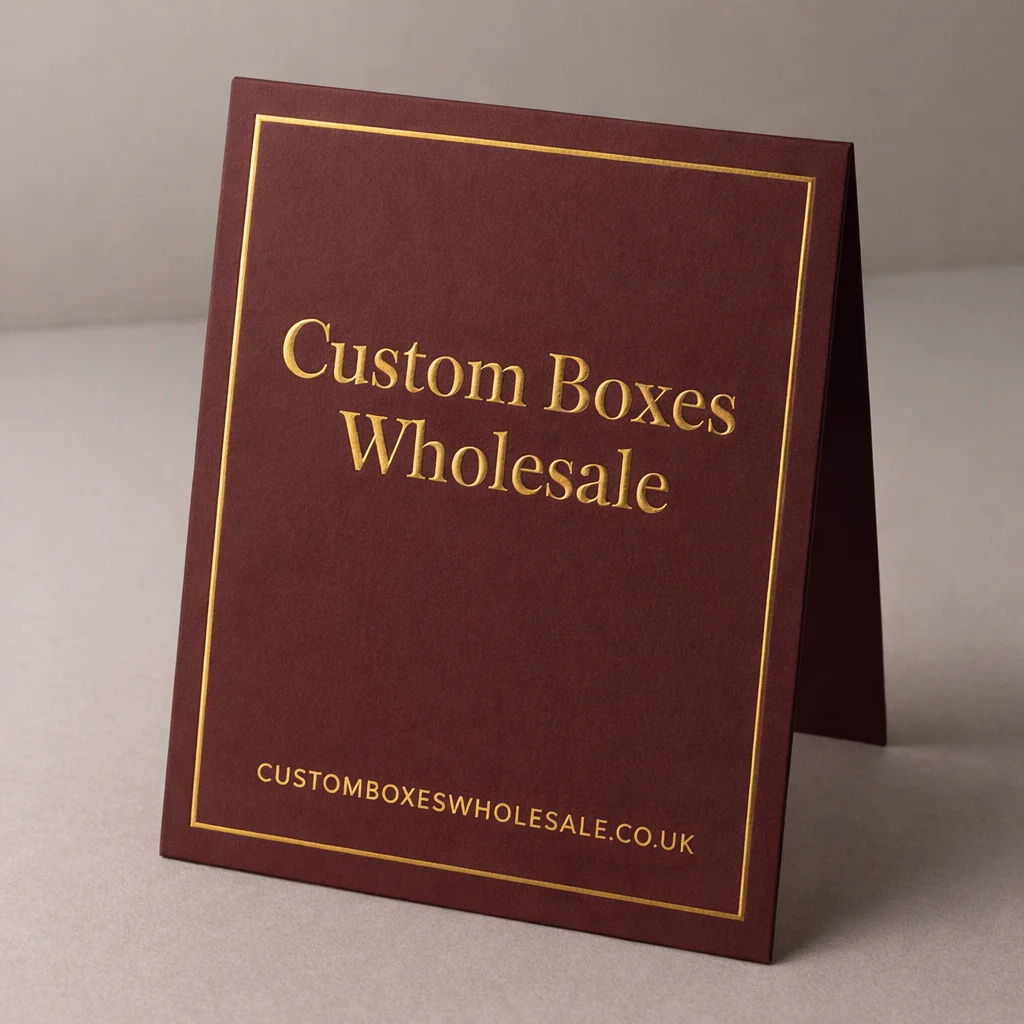 Metallic
A high-visibility enhancement used for logos, product names, borders, and presentation-led packs that need a stronger premium cue.
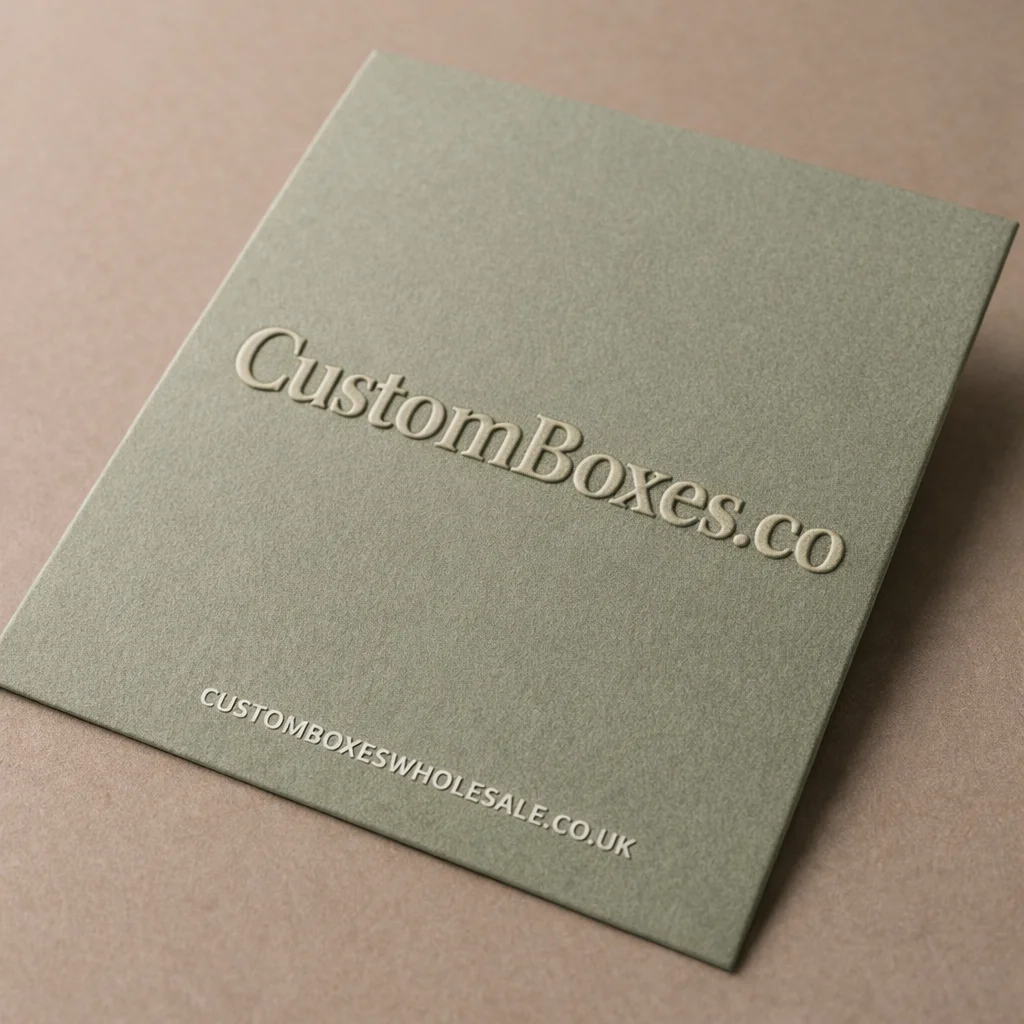 Raised
Builds depth into selected areas so the design does not just look better, it feels more considered in the customer’s hand.
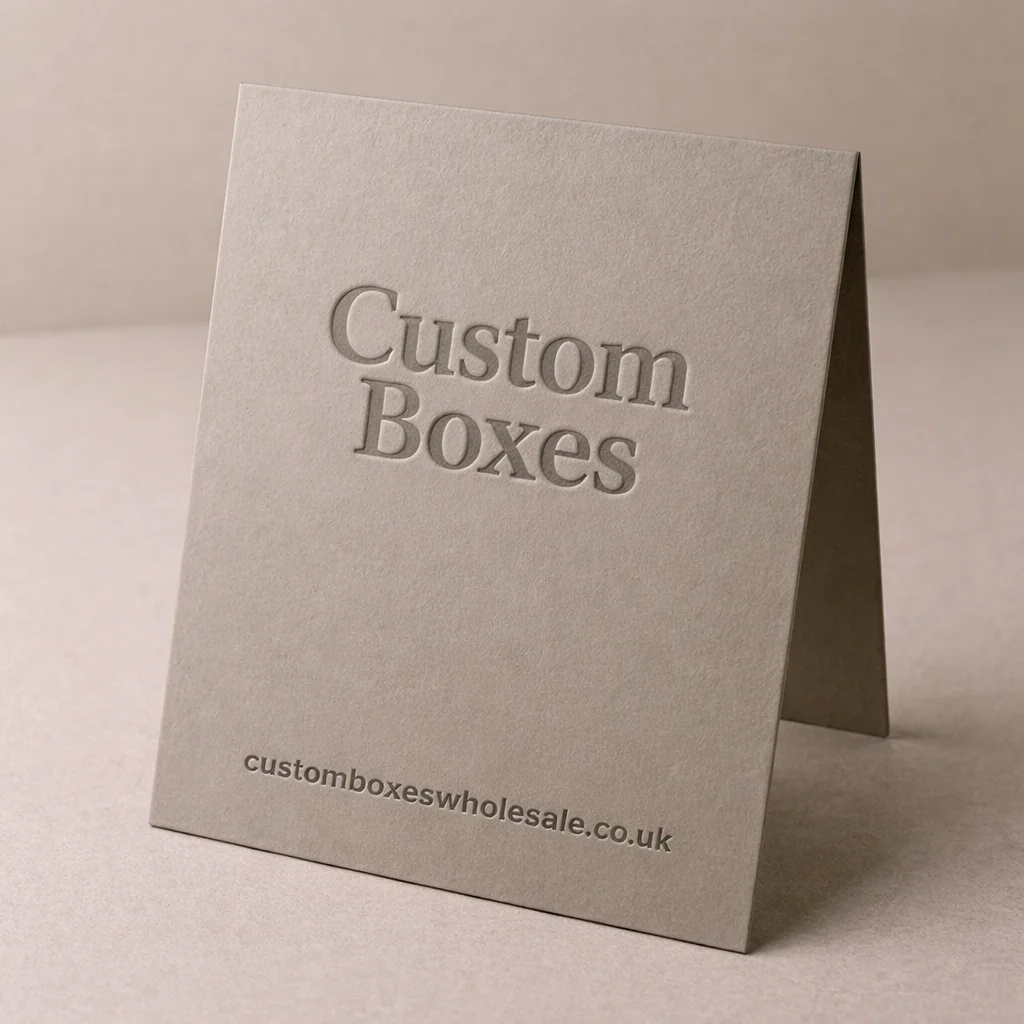 Subtle
Creates recessed detail for a quieter premium effect, especially useful on understated packs where elegance relies on restraint.
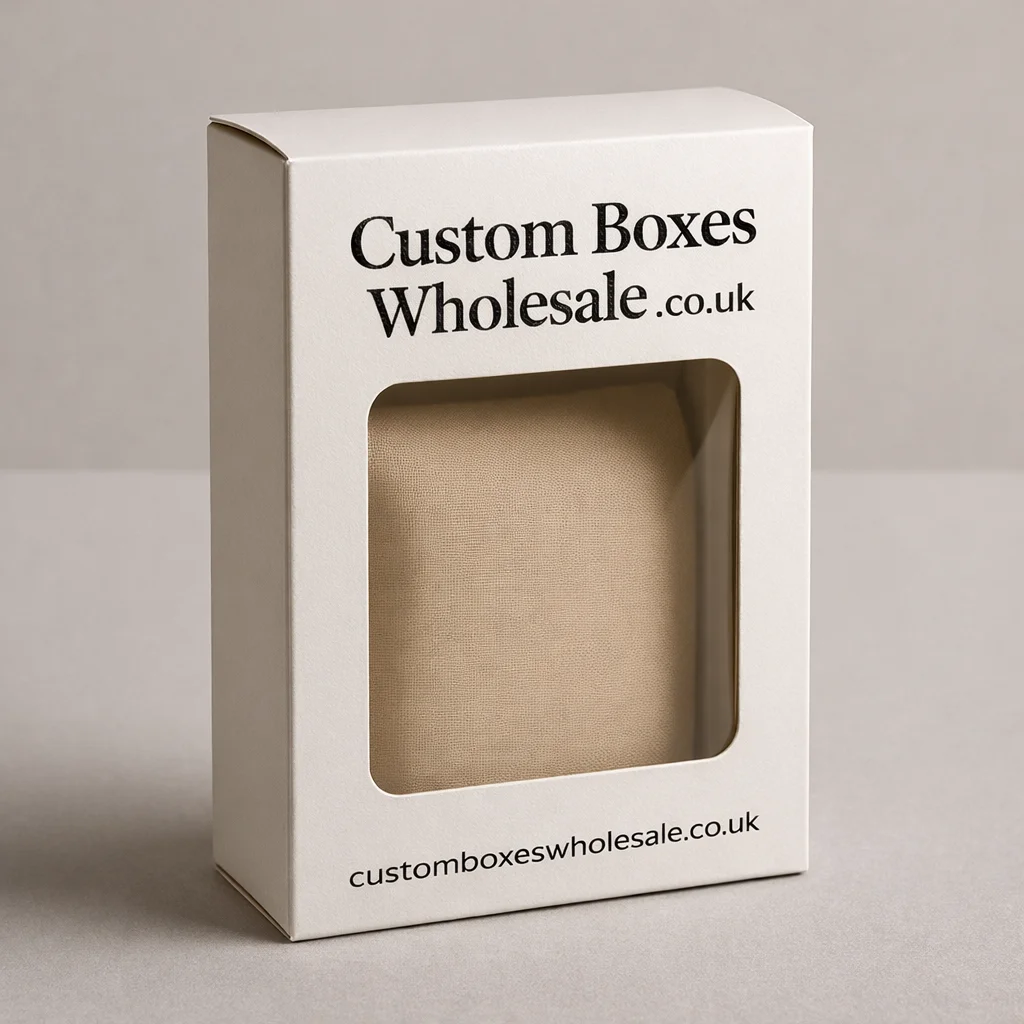 Display
A practical add-on when the product itself helps sell the pack. Suitable for cartons that benefit from partial product reveal.
A lot of box decisions look simple until the first print proof, transit test, or packing run. That is usually where stock-looking packaging starts causing avoidable friction. Category pages should do more than list products. They should help buyers understand what can be customised, what affects cost, and what details matter once the box is in production.
Share the product type, rough dimensions, and quantity target. That is usually enough to move from general browsing into the right structure, board direction, and quote path.
Talk to Packaging TeamIf this section is close to what you need but not exact, these related categories usually help buyers find the better structural fit faster.






Real feedback matters because packaging projects are rarely only about appearance. Buyers care about communication, timing, consistency, and whether the final pack actually arrives the way it was discussed.
Answers to common buyer questions around sizing, materials, print, production, and ordering.
A pouch is usually sealed or resealable, while a bag is more open and used for carrying.
In most cases, yes. They provide better sealing and storage.
Yes, especially mailing bags designed for delivery.
Yes, including paper and recyclable materials.
Yes. Even small changes can affect how they stand or seal.
Tell us your product, target look, and how you ship. We’ll recommend the right board, print, and finish for performance.